
Key Takeaways
- Wholesale marketplaces can help brands get discovered by B2B buyers faster.
- The best marketplace depends on your product category, target region, buyer type, fees, shipping support, and return rules.
- Faire, Orderchamp, and Creoate are stronger fits for independent retail, lifestyle, home, beauty, gift, fashion, and boutique-style wholesale.
- Thomasnet is more relevant for industrial, manufacturing, engineering, and procurement-focused suppliers.
- Alibaba and TradeIndia are broader B2B marketplaces with large supplier and buyer networks, especially for global and India-focused trade.
- Marketplaces are useful for discovery, but your own Shopify store gives you more control over pricing, customer data, repeat orders, and buyer experience.
Wholesale marketplaces can help brands reach retailers, resellers, distributors, and business buyers without building every sales channel from scratch.
For a new wholesale brand, a marketplace can be useful because buyers are already searching there. You can test demand, get discovered by retailers, and start taking B2B orders faster than relying only on cold outreach or paid ads.
But marketplaces are not perfect. You may have to deal with commissions, platform rules, limited customer ownership, return policies, competition, and less control over the buyer relationship.
In this guide, we’ll look at seven wholesale marketplaces you can consider in 2026, along with what each platform is better suited for.
Why Choose Online Wholesale Marketplaces?
When you sell your products in bulk via offline mediums or on your online store, you might receive a very low number of potential B2B buyers until and unless you spend a lot of money on paid ads or do the best SEO for your online store or implement some offline traditional marketing activities. However, in the case of wholesale marketplaces, these platforms have a vast audience and potential wholesale buyers that can help you connect with them easily.
Here are some more reasons why you should list and sell your products on online wholesale marketplaces:
- Faster market growth and sell across regions: Wholesale marketplaces offer you their existing network of potential B2B buyers and established supply chains so that you can sell your products across multiple regions without any risk.
- Tools to measure growth and understand buyer profiles: Wholesale marketplaces have their own set of tools for inventory management, billing, analytics, and marketing support that help you reduce the work time and drive profitability using these resources.
- Algorithms to display the right product to the right customer: Each online wholesale marketplace is built differently and has complex functionalities to display the correct and relevant products to the specific searches made by wholesale buyers on the platform. This helps you connect with your potential customers.
- Collaboration and Networking Opportunities: Wholesale marketplaces usually have thousands of B2B sellers and buyers from different industries listed on their platforms. You can easily connect with these B2B sellers and build relationships with them. Furthermore, you can foster potential partnerships and collaborations for the growth of your business.
7 Best Wholesale Marketplaces For Your Business
1. Wholesale Central
Wholesale Central is a B2B wholesale directory that helps buyers find wholesale suppliers and products. It is more of a sourcing directory than a modern managed marketplace, so it can work well for buyers who want to browse suppliers directly. Wholesale Central describes itself as strictly B2B and wholesale-only.
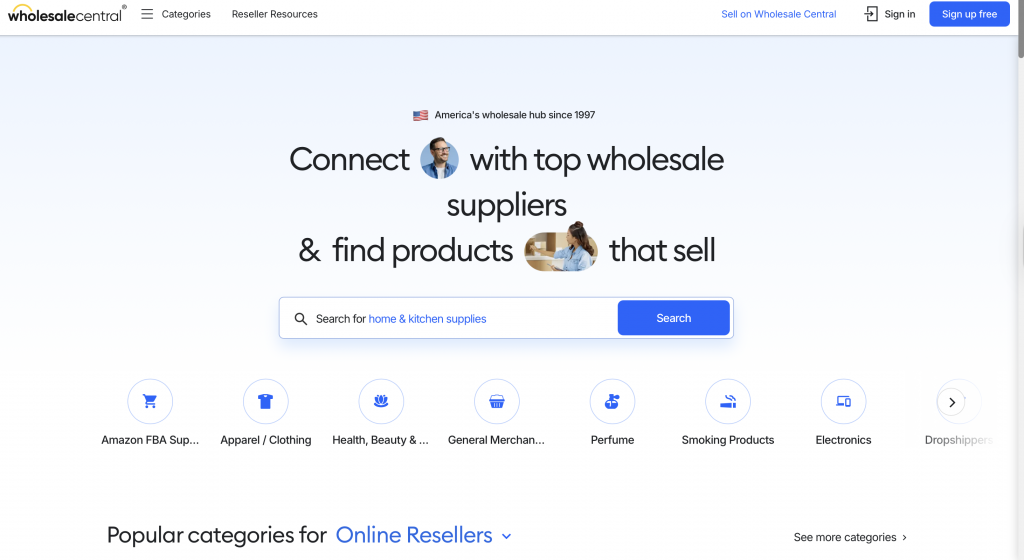
This platform is better for discovery than for a fully managed buying experience. If you list here, make sure your product information, contact details, website, and wholesale terms are clear.
2. Faire
Faire is one of the better-known wholesale marketplaces for independent retailers and brands. It is especially relevant for categories like home decor, food and drink, women’s products, gifts, beauty, kids, pets, books, and lifestyle products. Faire’s own marketplace page positions it as a platform for retailers to discover products and connect with brands.
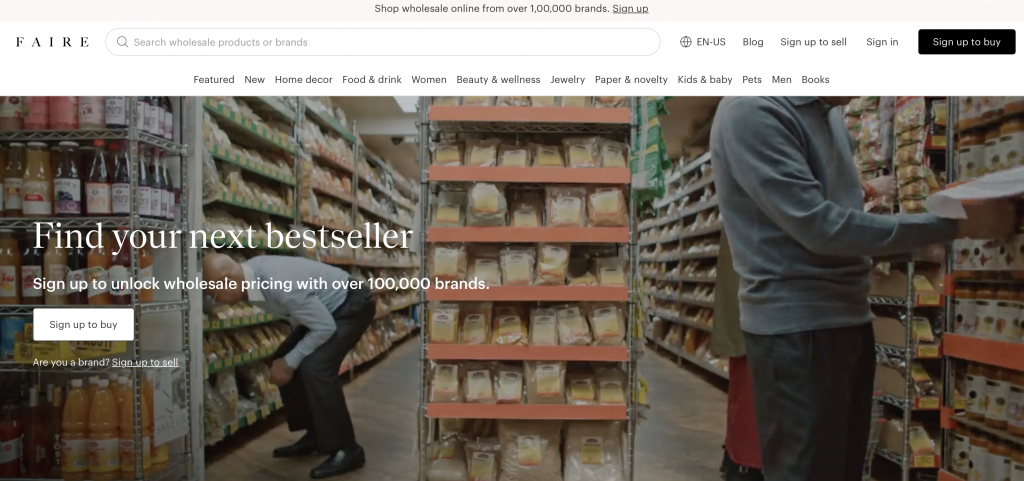
One reason retailers like Faire is that it reduces some of the risk of trying new brands. Faire says it offers returns on the first order placed with each brand, while brands keep their payout for returns processed through Faire.
3. Orderchamp
OrderChamp is one of the best marketplaces for small e-commerce stores that want to connect with independent brands. Having over 150K registered retailers and 1.3M+ listed products, OrderChamp is an emerging wholesale marketplace for brands.
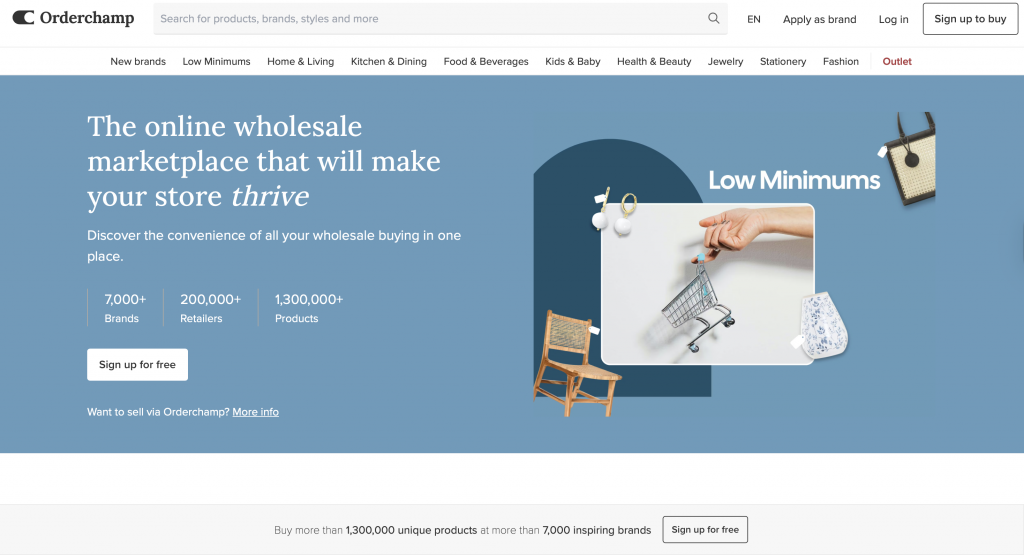
Orderchamp has been expanding beyond only marketplace discovery. In 2026, it announced a B2B Order Portal for brands and wholesalers to create branded B2B webshops and simplify direct sales.
4. Thomasnet
Thomasnet is a better fit for industrial, manufacturing, engineering, and procurement-focused suppliers.
It is not the same kind of marketplace as Faire or Creoate. Buyers on Thomasnet are often looking for manufacturers, custom suppliers, industrial products, MRO suppliers, packaging, components, materials, or services.
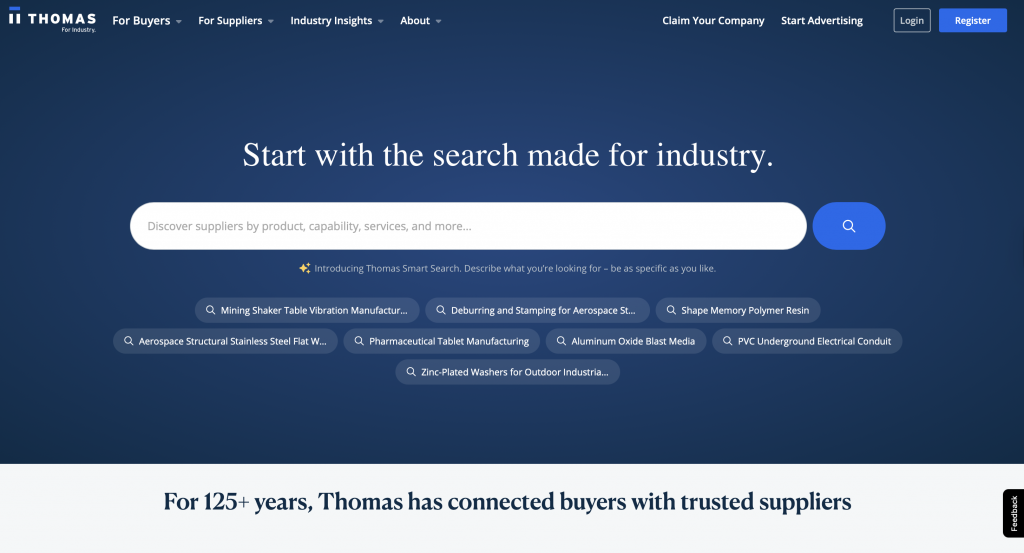
Thomasnet says it helps buyers search and evaluate more than 500,000 industrial suppliers. It also positions itself as a product sourcing and supplier discovery platform for procurement professionals, engineers, plant and facility management teams, and business owners.
5. Alibaba
Alibaba is one of the largest global B2B marketplaces. It connects buyers with manufacturers, suppliers, exporters, and trading companies across many product categories.
It is useful for businesses that want global sourcing, manufacturing partners, private label products, or bulk buying.
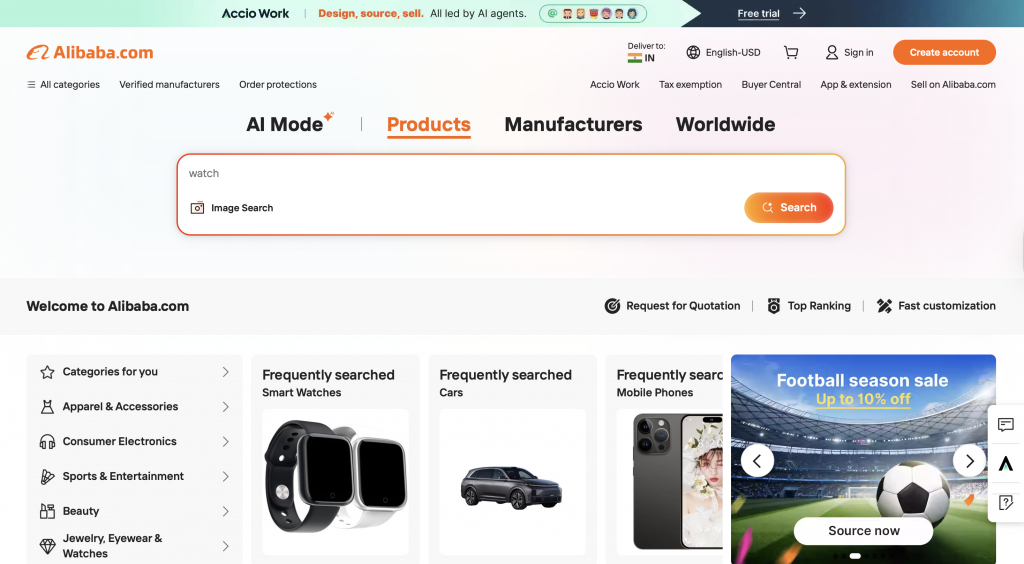
Alibaba’s Trade Assurance is one of its important buyer-side features. Alibaba says Trade Assurance provides secure ways to pay, protection for product or shipping issues, and mediation between buyers and suppliers. For sellers, Alibaba can offer large reach, but competition can be intense. Product quality, pricing, response time, certifications, and trust signals matter a lot.
6. TradeIndia
TradeIndia is one of the largest wholesale marketplaces in India. It has over 4.5 million sellers, 5.8 million active buyers, and 90,000+ categories listed on its platform. Businesses that want to list and sell their products for wholesale orders can easily earn profits due to the large number of interested wholesale buyers. This platform accepts seller registrations from different geographic regions.
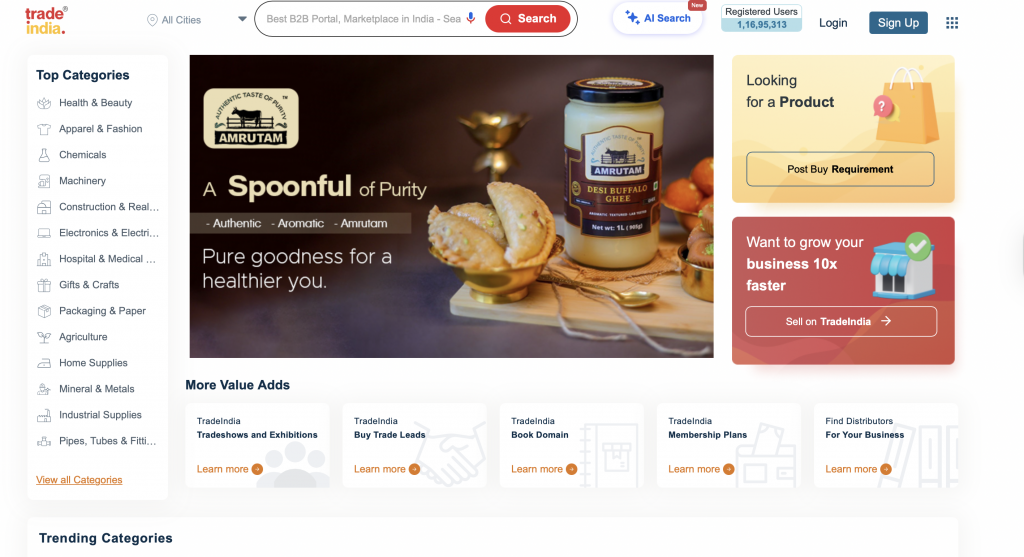
TradeIndia can be useful if your target market includes India or if you want to source from Indian suppliers. Just keep the wording careful. Do not overpromise sales only because the network is large.
7. Creoate
Creoate is a wholesale marketplace for independent brands and retailers. It is more relevant for categories like gifts, home, fashion, beauty, wellness, food, pets, and lifestyle products.
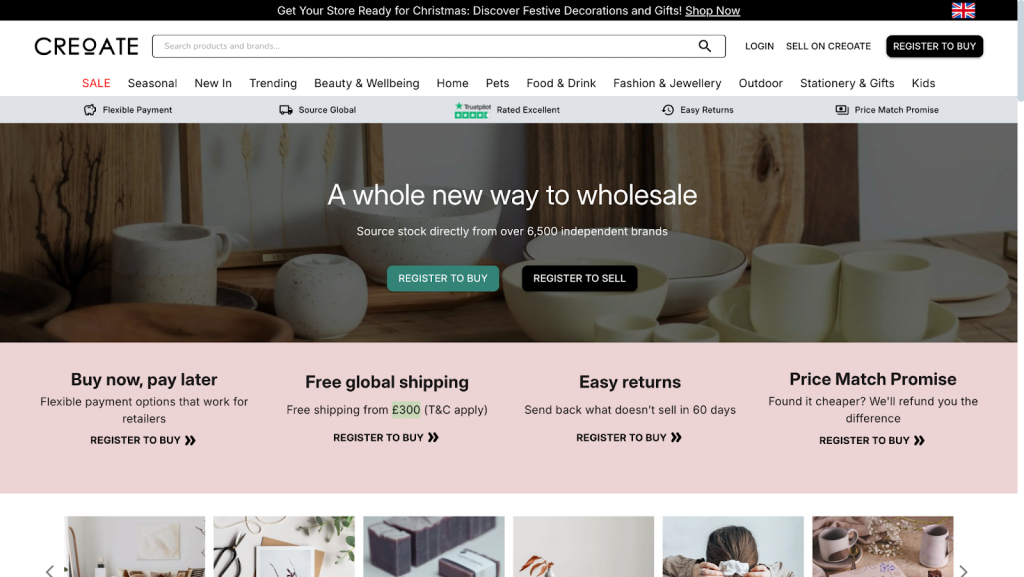
One of Creoate’s main buyer-friendly features is its return policy. Creoate says its 60-day return policy lets buyers return items they do not sell or do not want to keep, but returns apply only to the initial purchase with a vendor and items must be unused, resalable, and in original packaging.
Factors to consider while evaluating an online wholesale platform to list your products
With many online wholesale marketplaces available on the internet today, businesses often get confused in choosing the right platform for their wholesale needs. For every business, the needs are different – in terms of geography, whether the platform charges commissions or monthly fees and more. To help navigate this choice, here is a list of key factors you should consider when selecting a wholesale marketplace:
- Geographic Reach: Does the wholesale marketplace operate in your target regions?
- Fee Structure: Compare commission-based models vs. monthly fees.
- Product Categories: Ensure the platform supports your product types.
- Seller and Buyer Network: Check the wholesale marketplace’s network size.
- Shipping and Logistics: Evaluate if they offer shipping support.
- Payment Terms: Review payment options and terms for sellers.
- User Interface: Is the platform easy to use with the necessary tools?
- Customer Support: Check for reliable and responsive support.
- Reputation: Research reviews and business endorsements.
- Marketing Opportunities: Look for features that enhance product visibility for ex: ad placements, promotions, sales leads, etc.
When native B2B is not enough, Wholesale Pricing Discount B2B is the next step.
Try our Wholesale Pricing Discount B2B app for free !
Trusted by over 16,000 Shopify merchants
Final Thoughts
By understanding and leveraging the features of online wholesale marketplaces, wholesale businesses can get bulk orders and make unlimited sales. These platforms provide access to a vast network of B2B buyers, established supply chains, and more that help you achieve operational efficiency, market reach and ultimately profitability for your business.
We hope the guidelines we’ve shared and the seven best wholesale marketplaces listed above help you make an informed decision that can further help your business thrive in the competitive e-commerce landscape!
Frequently Asked Questions
What is a wholesale marketplace?
A wholesale marketplace is an online platform where brands, manufacturers, suppliers, or distributors list products for business buyers such as retailers, resellers, dealers, and procurement teams.
What are the best wholesale marketplaces in 2026?
Some popular wholesale marketplaces include Faire, Orderchamp, Alibaba, Thomasnet, TradeIndia, Wholesale Central, and Creoate. The best one depends on your product category, target region, fees, buyer type, and selling goals.
Which wholesale marketplace is best for independent brands?
Faire, Orderchamp, and Creoate are usually better fits for independent brands selling lifestyle, home, gifts, beauty, food, fashion, kids, pets, and boutique retail products.
Which wholesale marketplace is best for industrial suppliers?
Thomasnet is more relevant for industrial, manufacturing, engineering, procurement, MRO, packaging, components, and supplier discovery.
Is Alibaba good for wholesale selling?
Alibaba is useful for global B2B sourcing, manufacturing, private label, and supplier discovery. For sellers, it can offer large reach, but competition is high and trust signals matter.
Is TradeIndia only for Indian businesses?
TradeIndia is India-focused, but it connects manufacturers, suppliers, exporters, wholesalers, and buyers across many categories. It is most useful if your sourcing or selling strategy includes India.