

Key Takeaways
- Shopify is a strong ecommerce platform for businesses that want to launch, manage, and scale an online store without building everything from scratch.
- One of Shopify’s biggest advantages is ease of use. Merchants can add products, manage orders, customize themes, accept payments, and run basic store operations from one admin.
- Shopify themes make it easier to create a professional store design without needing full custom development from day one.
- Shopify supports multiple payment methods and checkout options, including Shopify Payments, Shop Pay, PayPal, and third-party payment providers depending on the country.
- Shopify gives merchants built-in SEO basics like editable titles, meta descriptions, URLs, alt text, redirects, and sitemap support.
- Shopify’s app ecosystem is one of its biggest strengths. Merchants can add tools for reviews, email marketing, subscriptions, bundles, wholesale, analytics, loyalty, shipping, and more.
- Shopify is Level 1 PCI DSS compliant, which helps merchants handle payment security more safely compared to building a custom checkout from scratch.
- Shopify can support global selling through tools like Shopify Markets, local currencies, localized storefronts, international domains, duties, taxes, and shipping settings.
- Shopify is useful for both retail and B2B stores. Merchants can use Shopify B2B features or wholesale apps to manage customer-specific pricing, private access, order forms, and repeat ordering.
Choosing the right ecommerce platform is one of the biggest decisions you make before starting or scaling an online store. Your platform affects how easily you can launch, manage products, accept payments, run marketing campaigns, track orders, customize design, add apps, sell internationally, and grow over time.
In 2026, Shopify is not only about building an online store. It also supports selling across social platforms, marketplaces, in-person retail, international markets, B2B channels, and even newer AI-led shopping experiences.
In this guide, we’ll cover what Shopify is, 12 reasons to use Shopify in 2026, examples of brands and store types using Shopify, and a few common questions merchants ask before choosing the platform.
What is Shopify?
Shopify is an e-commerce platform for people to create their online stores. It serves as an all-in-one solution that hosts your online store, handles payment processing, and manages all aspects of your business from inventory to customer data. Shopify is made to be extremely user-friendly, enabling people to set up and run their online stores without having solid technical knowledge.
Shopify also has an app store for you to find various app extensions for your e-commerce store. Whether you need tools for email marketing, setting up wholesale on Shopify, SEO, or customer loyalty programs, Shopify’s marketplace likely has an app that fits your needs.
12 reasons to use Shopify in 2026
#1. Easy to setup & run your online business
One of the main reasons why store owners love Shopify is because it is super easy to use and provides a simple place where even those new to e-commerce can quickly get started with creating their online stores. The dashboard is intuitively designed, allowing users to easily upload products, configure settings, and track sales without prior technical knowledge.
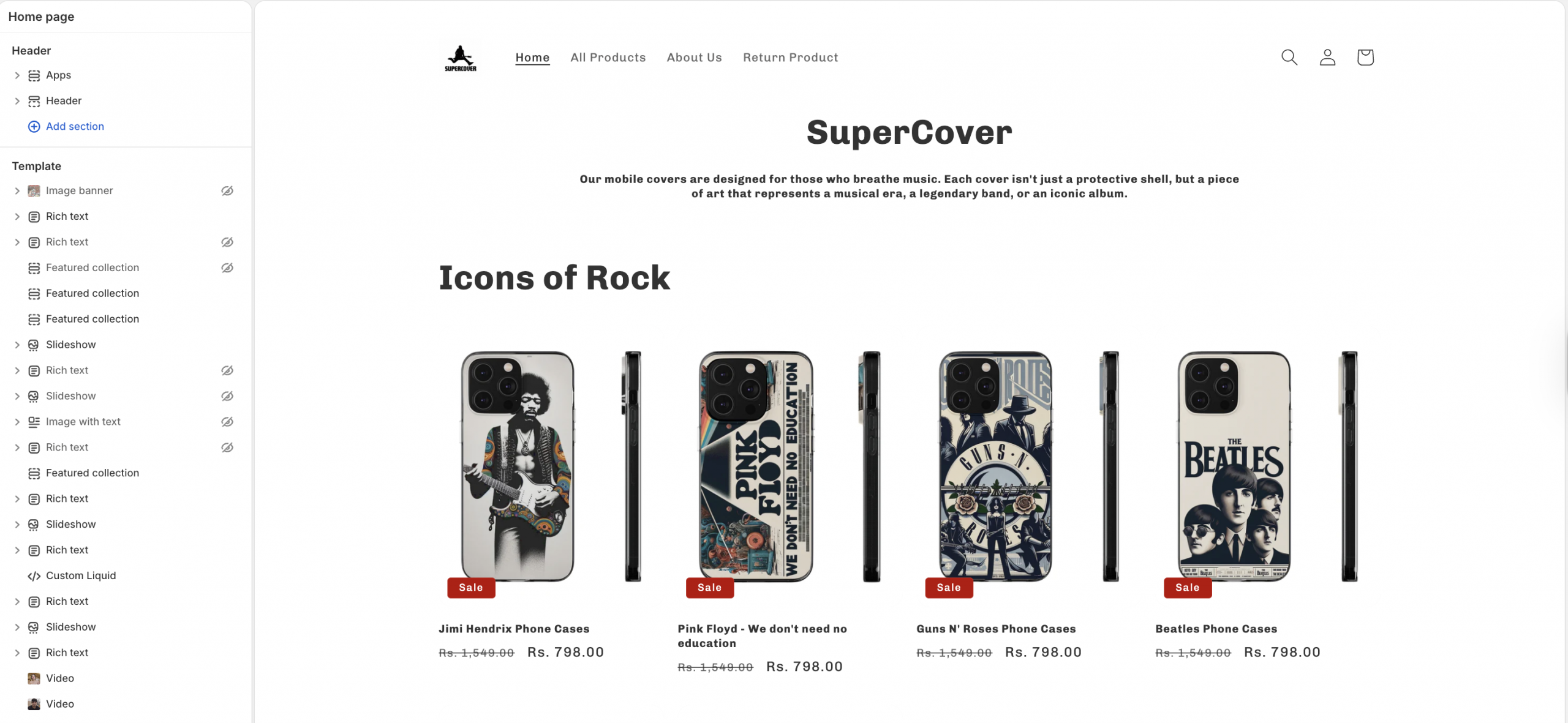
Furthermore, Shopify’s interface is designed to handle everything from product management to your marketing needs. This ensures that managing every aspect of your store is easy, and efficient, allowing you to focus more on your business goals and less working on complicated software.
#2. Variety of available themes & templates to choose from
With Shopify, you get a large number of themes and template options to help you design your store the way you want. These templates can be easily customized and are responsive in design, meaning they automatically adapt to the user’s screen size.

Since you can fully customize these themes, it allows you to create the look of your store that resonates with your brand colours and styles and ensures design consistency throughout your business.
Before choosing a theme or app stack, it helps to see what successful stores already use. The Shopify Theme Detector by Koala Inspector reveals the theme and apps behind any Shopify storefront, so you can benchmark competitors without the guesswork.
#3. Built-in payment processing for seamless transactions
Accepting payments is a big part of an e-commerce store and Shopify simplifies the payment process by integrating a secure, built-in system that supports different types of payment methods. This feature ensures seamless transactions directly on your site and makes it easy for website visitors to complete purchases on your store.
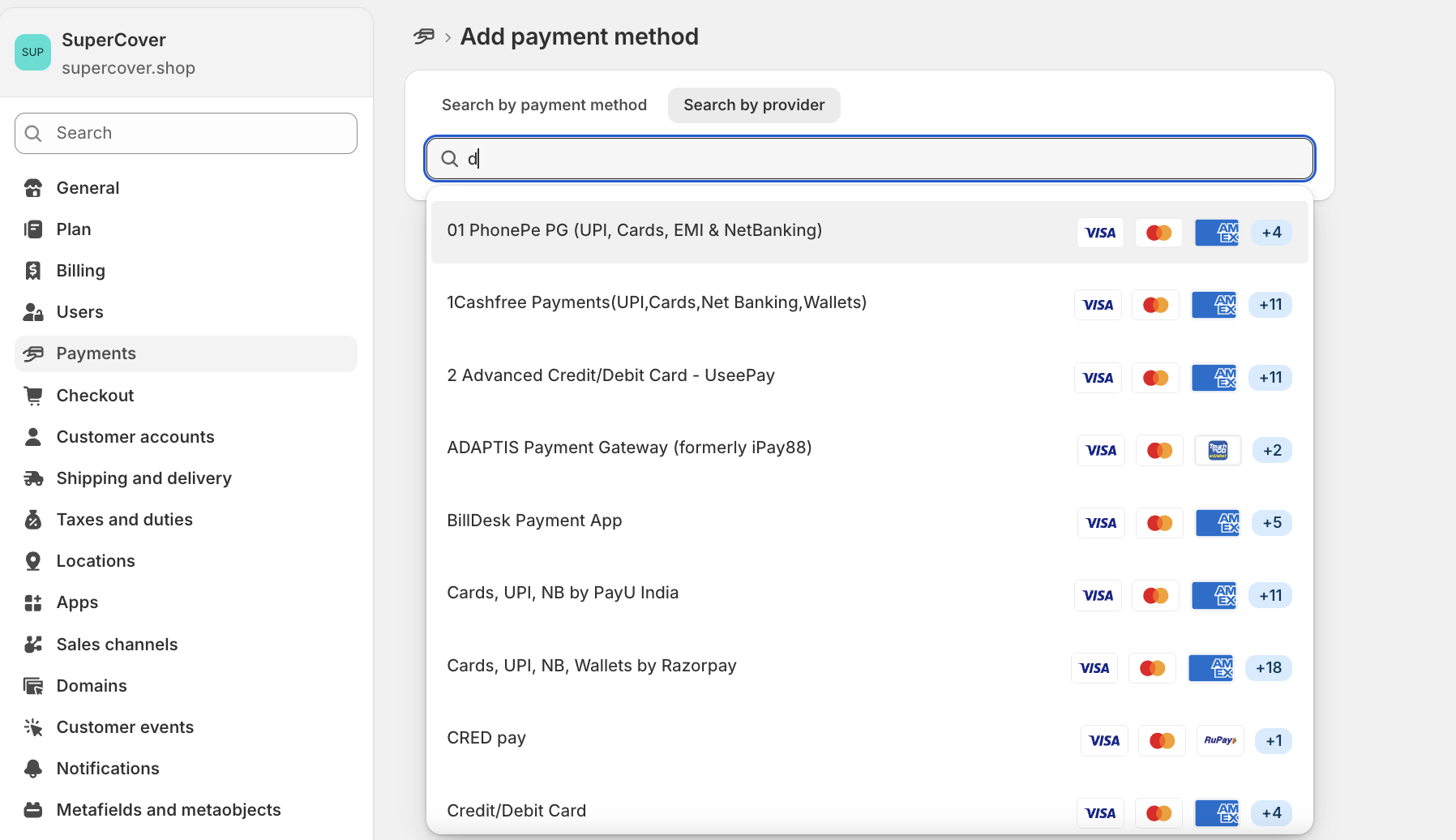
Shopify allows you to integrate various payment platforms like Apple Pay, Shop Pay, Stripe, Razorpay, PayPal, Adyen, Worldpay, etc. This enables you to offer a payment gateway that your customers would trust the most.
#4. Reliable & fast customer support to address your queries
Shopify’s customer support is super proactive and helps you with any issues that might arise. This reliable service means you can get help with any issues urgently.
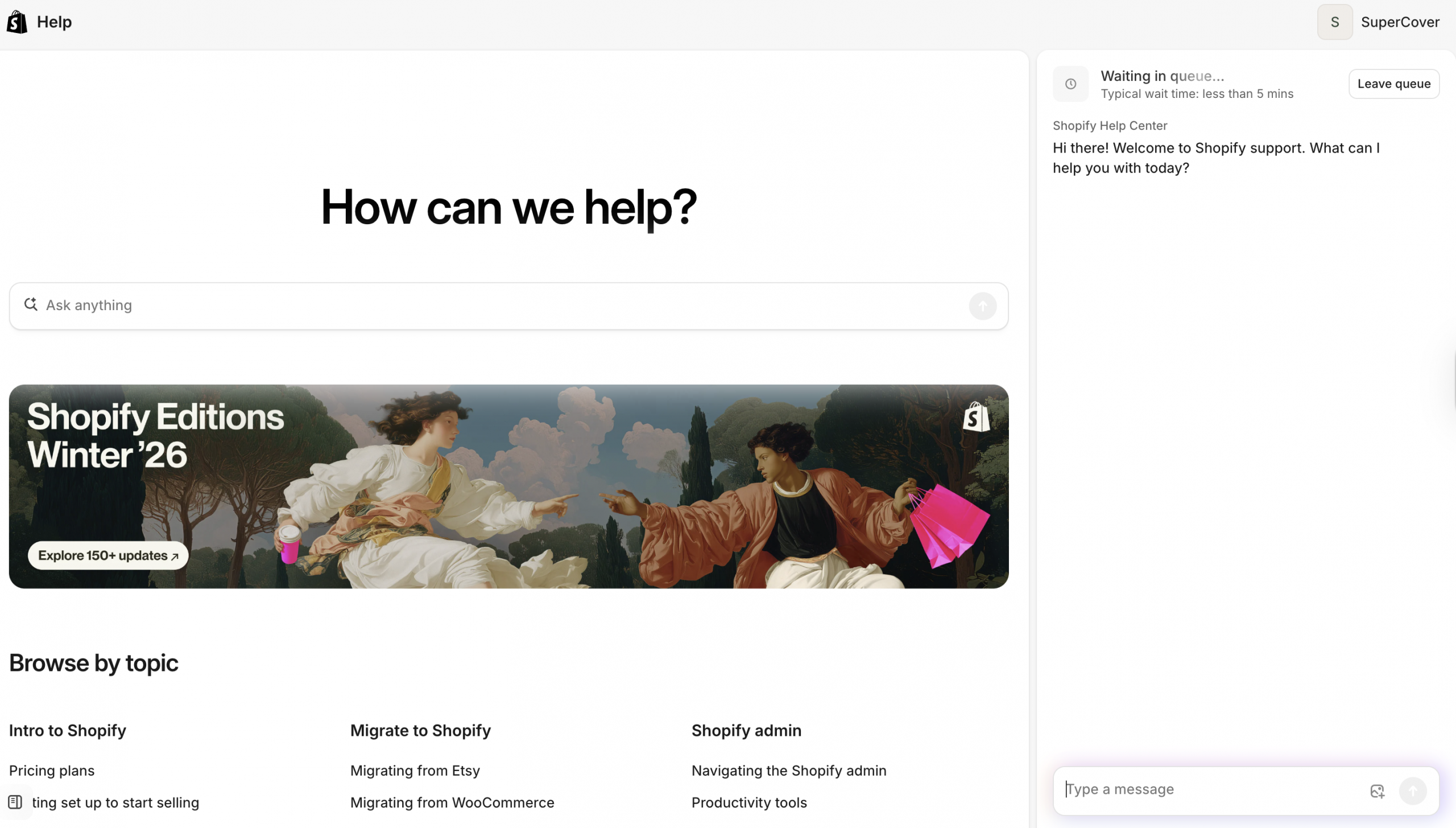
Besides real-time support, Shopify also offers a comprehensive help centre that includes forums, tutorials, and FAQs. These resources provide quick solutions and help you to resolve issues in your store independently.
#5. SEO Features to help you rank your store in Google
Shopify also offers SEO features that ensure that your store ranks well in search engine results for the related keywords that you use. This brings organic traffic to your site without incurring the constant cost of ads.
The platform allows you to easily modify meta descriptions, titles, and image alt tags to optimize each page and product for search engines. These SEO tools are super important for increasing your online presence and can significantly impact the sales that you make by boosting your searchability.
Shopify also has multiple integrations with ad channels like Google and YouTube, Facebook, TikTok, etc. which helps store owners to set up marketing directly on these channels.
#6. Mobile optimizations
Mobile optimization is key in today’s market, as more and more people surf the internet on mobile and Shopify excels in this area. The platform makes sure that your online store functions seamlessly on smartphones.
This mobile readiness not only provides a better shopping experience for users but also positively impacts your SEO rankings. Google prioritizes mobile-friendly websites, so Shopify’s mobile optimization helps your store rank higher in search results, attracting more mobile shoppers. And the best part, the themes that the store provides automatically adjust to the user’s screen size, hence you don’t have to put extra effort into manually making your store’s site responsive.
#7. Shopify App Store with thousands of 3rd party apps
One of the biggest advantages of Shopify is the vast app marketplace that it offers. The apps in Shopify App Store allow store owners to extend the functionality of their store with various available apps. Whether you need tools for bundle offerings, accounting, inventory management, selling wholesale, customer relationship management, bulk ordering or running a loyalty program, there’s likely an app that fits your needs.
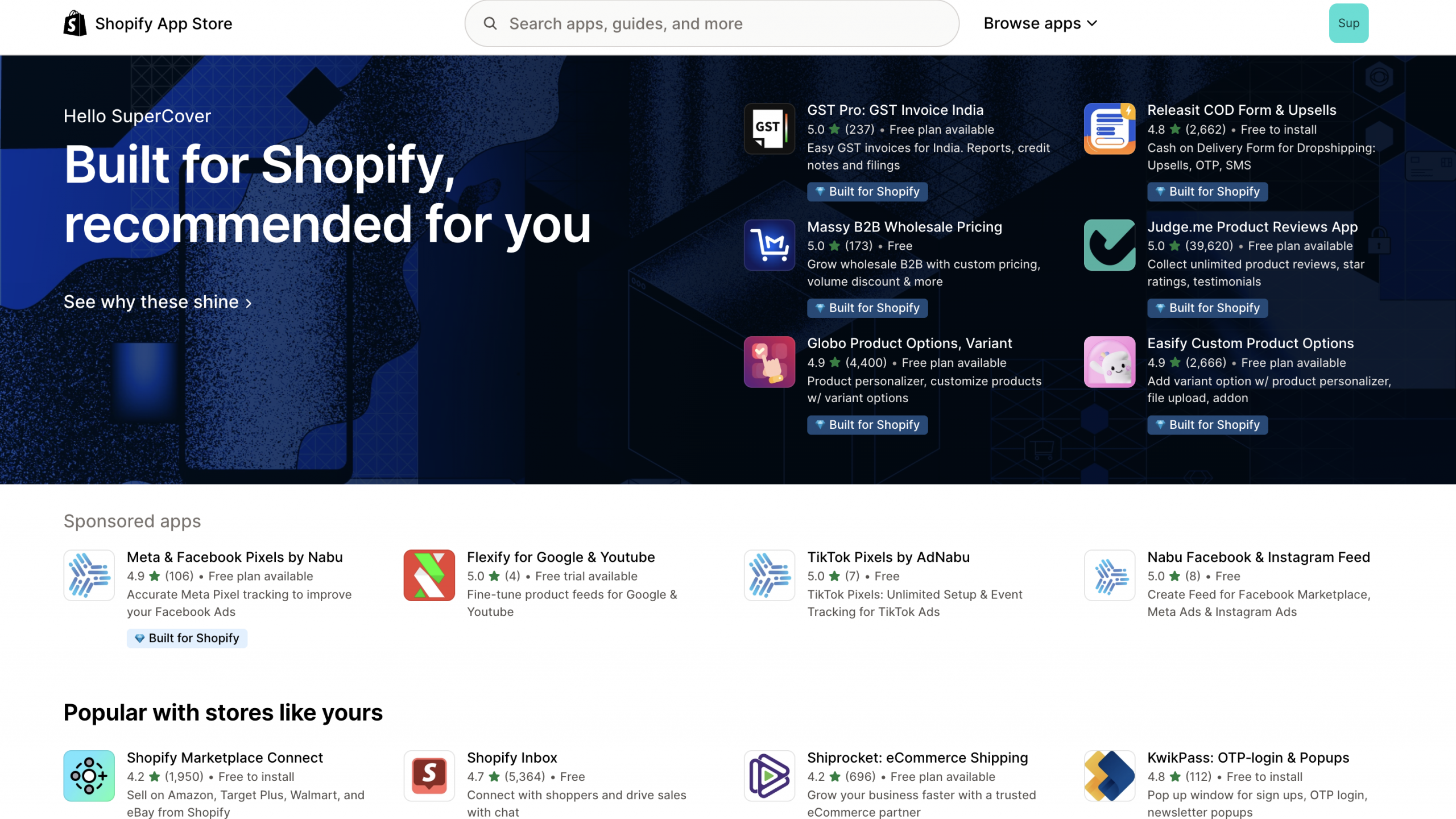
These apps are super easy to use and also integrate seamlessly with your Shopify store, enabling you to create a tailored shopping experience that can evolve as your business grows. This flexibility is one of Shopify’s strongest features, allowing for customization and scalability without the need for expensive custom software.
#8. Unmatched security of your store
Shopify’s security is another big advantage of the platform. It has implemented industry-standard measures to protect your store and customers. As a PCI DSS-compliant platform, Shopify meets all six categories of PCI standards, providing peace of mind for both store owners and shoppers.
The platform’s focus on security doesn’t just protect against data breaches; it also reassures your customers that their personal and payment information is safe.
#9. Detailed analytics and sales metrics to your increase sales
One of Shopify’s biggest advantages is its scalability. The platform can support your business in every part of your growth, from earliest days to large-scale operations. As your business grows and you get more traffic and sales, Shopify has the infrastructure to handle massive traffic and sales smoothly.
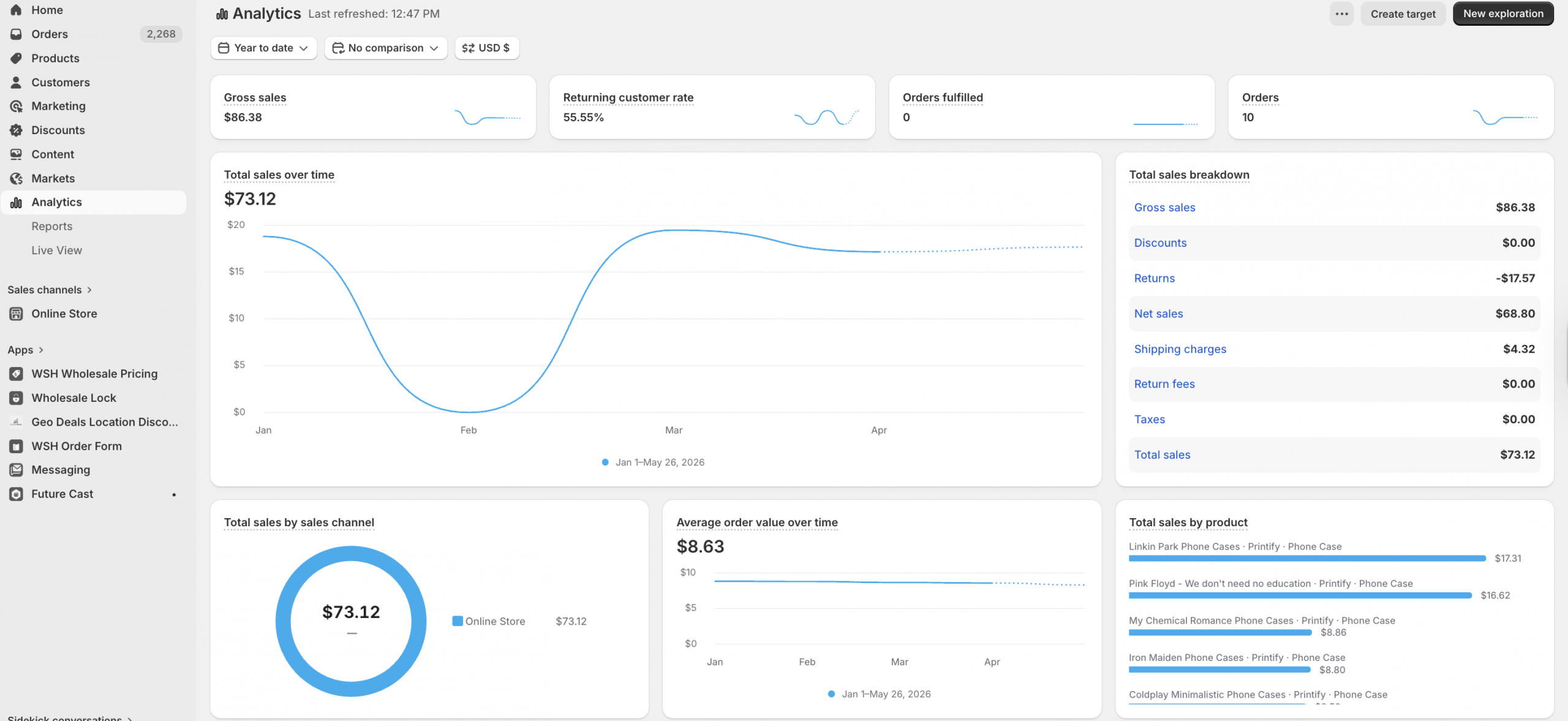
Also, you can upgrade your Shopify plan easily. This means you can start with a basic plan and scale up as your business expands, ensuring that your store always has the resources it needs to succeed.
#10. Ability to take your business global with Shopify Markets
Shopify makes it easy for you to reach customers around the world with its global e-commerce capabilities with Shopify Markets. The platform can support different languages and global currencies, which facilitates selling internationally.
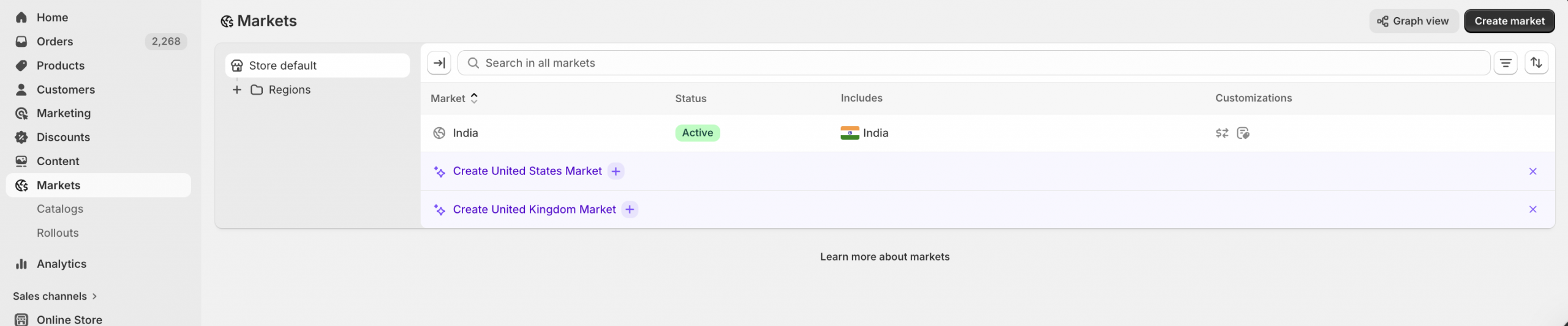
Shopify also offers tools and features like international shipping set-up, and local payment processing, international/regional taxes like VAT, etc.. This makes it super easy for you to expand your business and cater to customers from around the globe.
#11. Easily recover abandoned carts
With Shopify, you can also automate emails and messages to people who added items to their carts but ended up not completing the purchase. With this feature, you can automatically send emails to customers, reminding them of their abandoned items and encouraging them to return to your store to complete their purchase.
The automated process saves you time and also increases the conversion rate of your store.
#12. Educational resources for you to learn and grow your store
Shopify also has a lot of educational resources for you to learn from. These include detailed tutorials, insightful webinars, and active community forums. With these resources, you can learn best e-commerce practices, and fix minor issues yourself.
Shopify’s educational materials can help enhance your understanding of e-commerce and improve your store’s performance.
Some famous brands that use Shopify in 2026
a. Fitbit
Fitbit designs and manufactures wearable fitness trackers to monitor physical activity, sleep, and other health metrics.

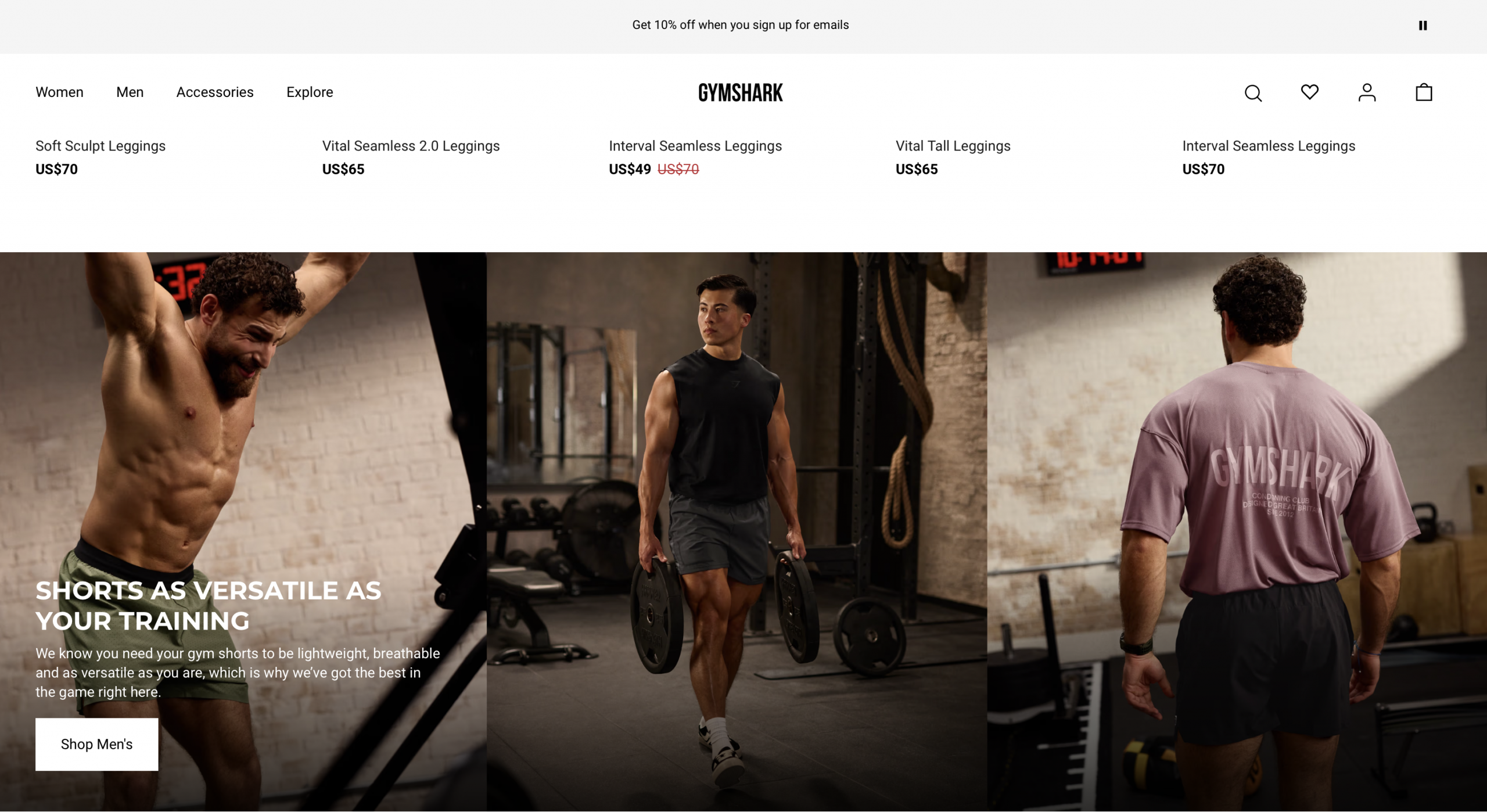
b. Gymshark
Gymshark is a fitness apparel brand that offers stylish and functional workout clothing designed to enhance performance and inspire confidence during exercise.
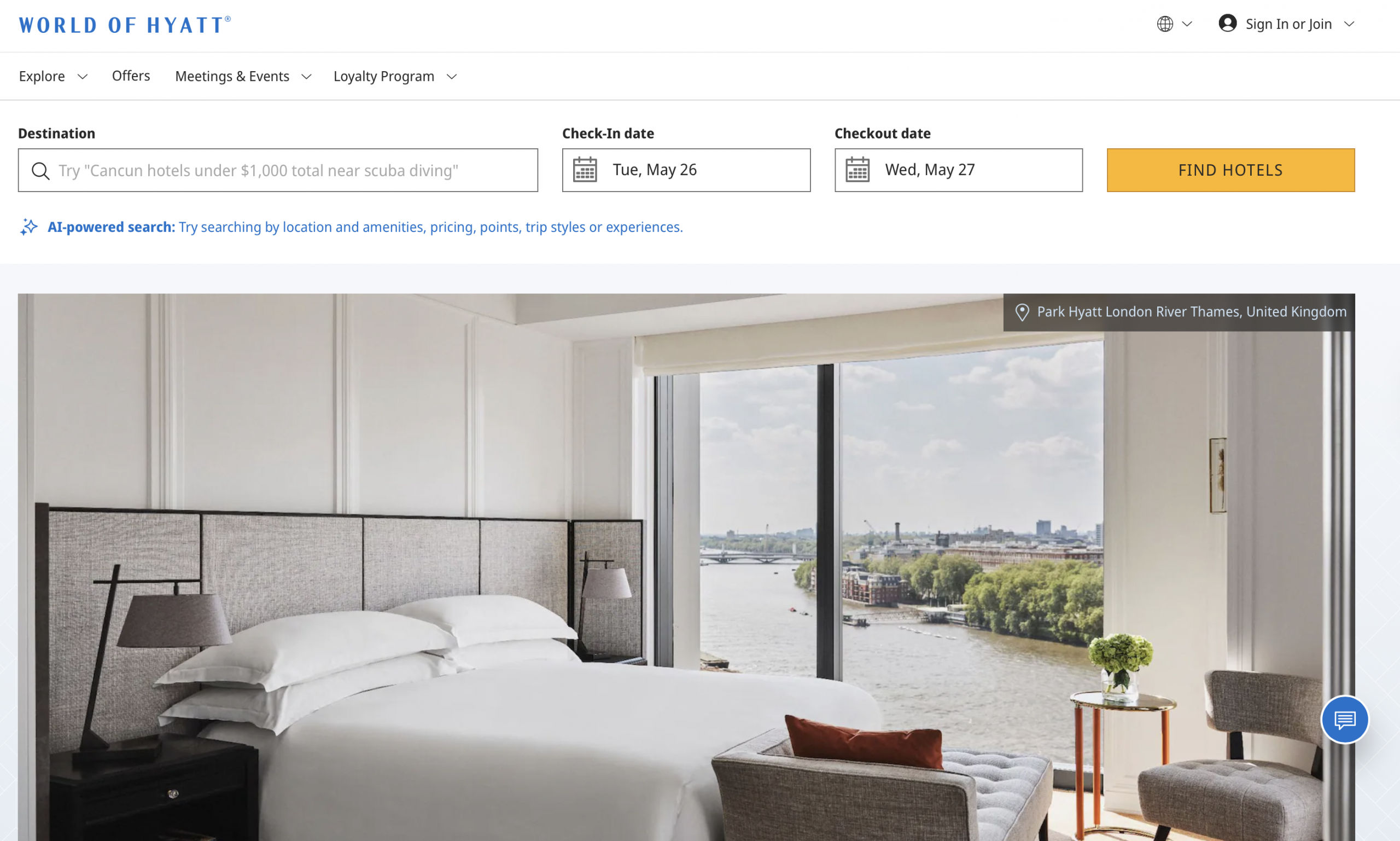
c. Hyatt Hotels Corp
Hyatt Hotels Corporation is a global hospitality company that runs luxury hotels and resorts.
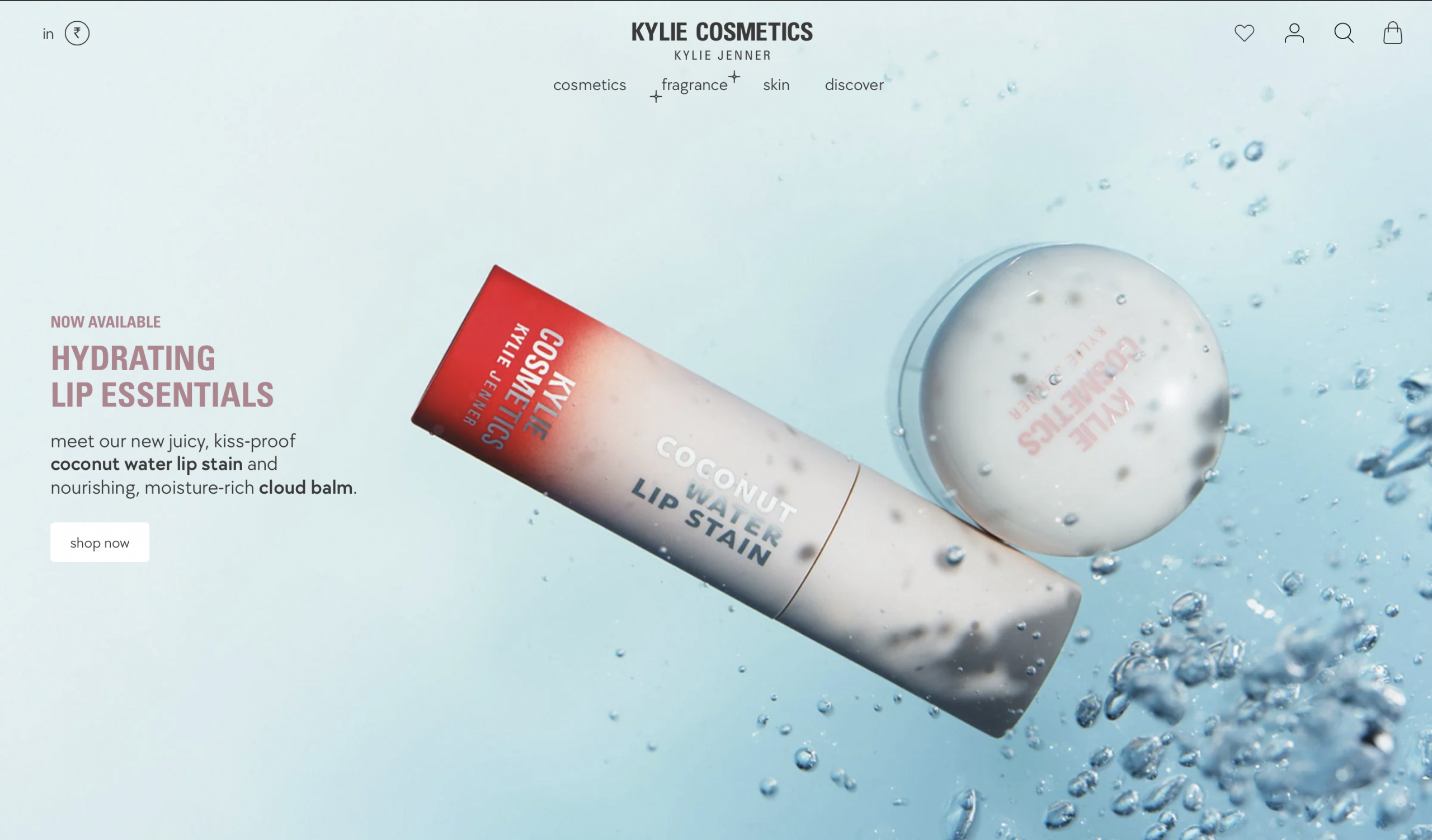
d. Kylie Cosmetics
Kylie Cosmetics is a beauty brand that offers a range of cosmetics products. It is founded by Kylie Jenner.
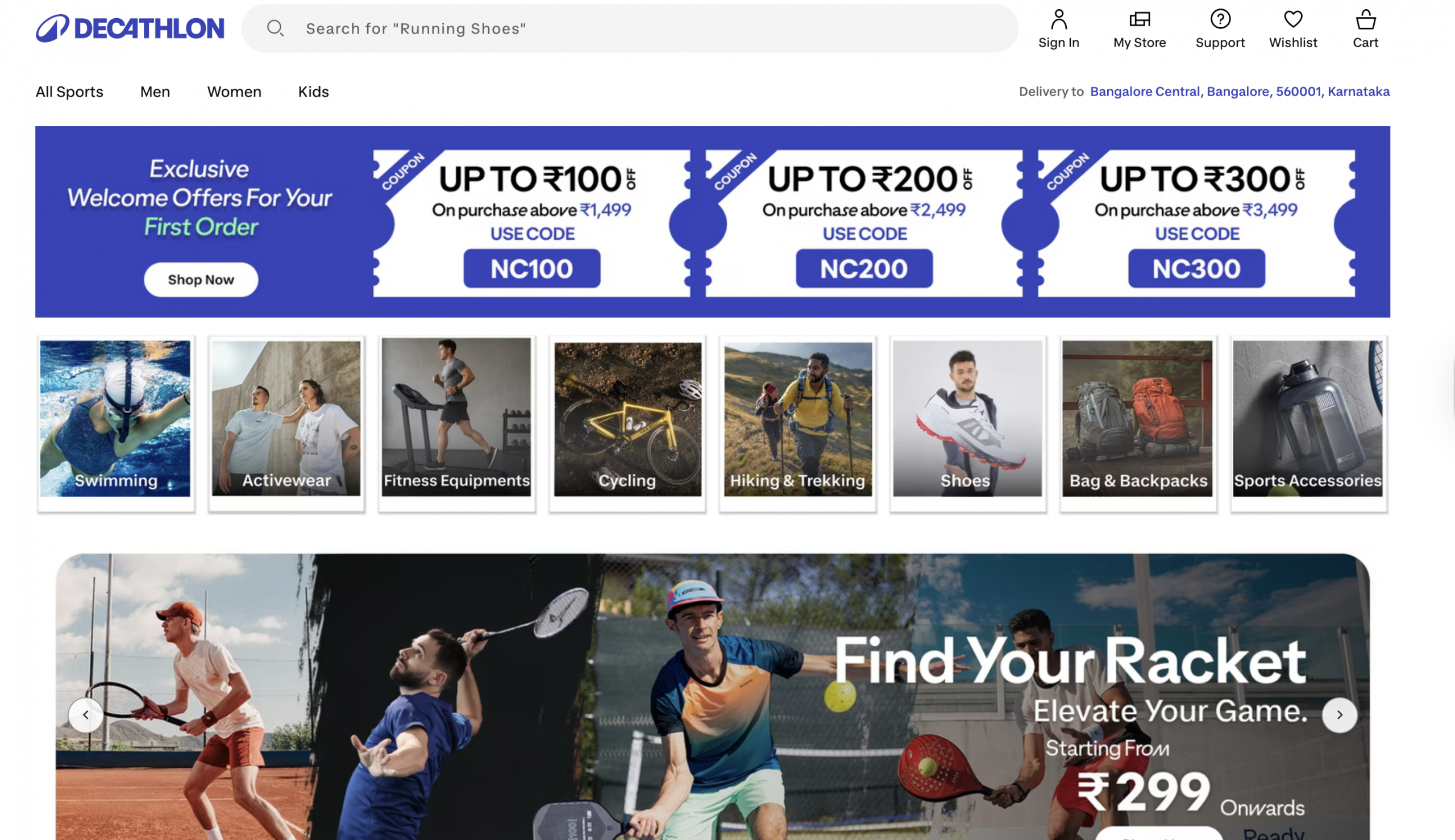
e. Decathlon
Decathlon is a sporting goods retailer that offers a wide range of affordable and high-quality sports equipment, apparel, and accessories for various sports and outdoor activities.
f. Steve Madden
Steve Madden is a fashion footwear brand known for its trendy and innovative shoe designs, offering a wide variety of stylish boots, heels, sneakers, and accessories.

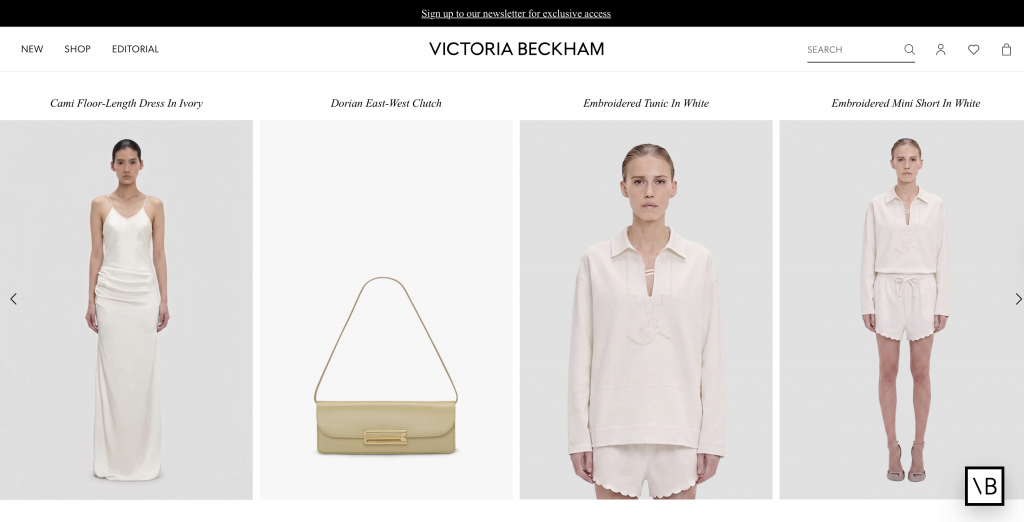
h. Victoria Beckham
Victoria Beckham is a luxury fashion brand founded by the renowned British designer Victoria Beckham. The brand offers sophisticated and elegant clothing, accessories, and eyewear that epitomize modern luxury and timeless style.
Summing up
Shopify is popular because it gives businesses a practical way to start, manage, and grow an e-commerce store. It is easy to set up, offers professional themes, supports multiple payment methods, includes useful SEO basics, works well on mobile, has a large app ecosystem, and gives merchants tools for analytics, security, international selling, abandoned checkout recovery, and B2B growth.
For wholesale and B2B stores, Shopify can also support customer-specific pricing, private product access, volume discounts, order forms, and repeat ordering workflows when set up properly.
If your goal is to sell online without building and maintaining a custom e-commerce platform from scratch, Shopify is still one of the strongest options to consider in 2026.
When native B2B is not enough, Wholesale Pricing Discount B2B is the next step.
Try our Wholesale Pricing Discount B2B app for free !
Trusted by over 16,000 Shopify merchants
Frequently Asked Questions
Why is Shopify better than other e-commerce websites?
Shopify stands out due to its user-friendly interface, making it easier for anyone to start and manage an online store. It also offers features such as built-in payment processing, SEO tools, and extensive app integrations for businesses of all sizes.
Selling on Shopify vs marketplace. Which is better?
Selling on Shopify offers more control over your store’s design, customer experience, and data compared to selling on a marketplace. This control can lead to building a stronger brand and potentially higher profit margins.
Where is Shopify most used?
Shopify is used by stores in more than 175 countries, especially in the United States, United Kingdom, Canada, and Australia. It’s widely used due to its ease of setup and flexibility in handling different e-commerce needs.
What makes Shopify special?
Shopify is special because of its ease of use, scalability, and the vast array of features it provides, which cater to businesses of all sizes. It’s also renowned for its reliability and excellent customer support.
Can Shopify handle international transactions?
Yes, Shopify supports international transactions by allowing store owners to accept payments in various currencies and providing tools to set up international shipping and localize content. This is one of the biggest reasons to use Shopify that stores consider.
How does Shopify promote an online store?
Shopify offers various SEO tools that help enhance your store’s visibility in search engine results. Additionally, it supports integration with numerous marketing apps that can help promote your store through social media, email automation, and other marketing channels.