
Key Takeaways
- Shopify website builder helps merchants create and manage ecommerce websites without building everything from scratch.
- Shopify includes themes, hosting, SSL, checkout, product management, payments, marketing tools, analytics, and app integrations.
- Shopify’s theme editor uses sections and blocks, so merchants can customize many parts of the storefront without editing code.
- Shopify Magic and Sidekick can help with content, store tasks, product copy, image editing, and other AI-assisted work.
- Shopify is mainly an ecommerce website builder, not just a general website builder.
- If you want to build a wholesale store, you may need native Shopify B2B features, wholesale apps, or both.
Are you looking for a website builder that is easy to use and can help you create a professional-looking e-commerce store? If so, then Shopify may be the right option for you. Shopify website builder is a widely used e-commerce platform that allows business owners to quickly create beautiful e-commerce stores and sell their wholesale and retail products online to their customers.
In this blog post, we will discuss everything you need to know about Shopify website builder and its website features. We will also discuss its features and provide helpful tips on how to create a good-looking store using the Shopify store builder. So, let’s get started!
What is Shopify website builder?
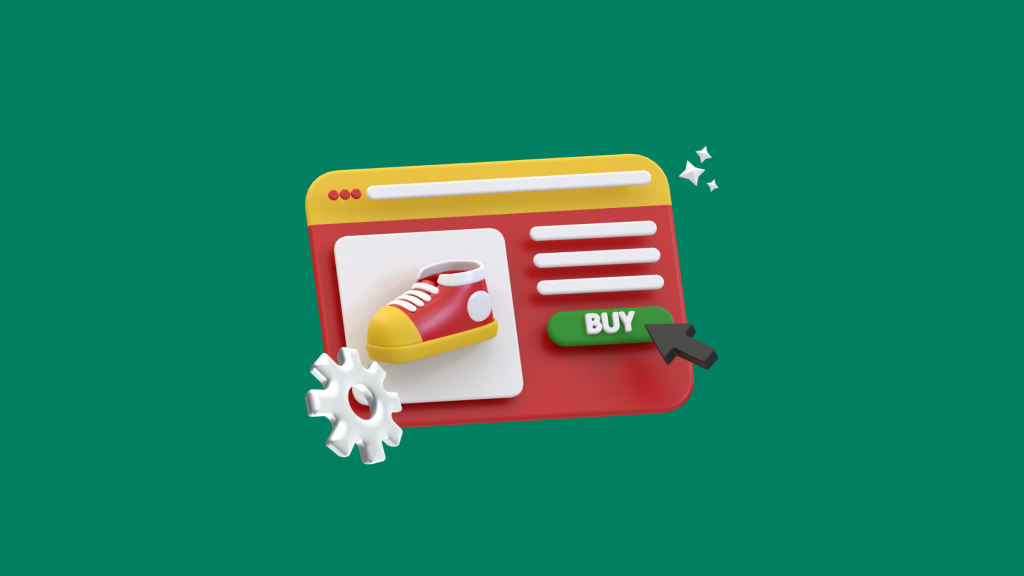
Shopify website builder is Shopify’s built-in system for creating and managing an e-commerce website. It lets you choose a theme, customize your storefront, add products, create pages, manage navigation, set up payments, connect a domain, and publish your online store.
Shopify’s theme editor uses sections and blocks. This means you can change many parts of your homepage, product pages, collection pages, blog pages, and other templates without editing code. Shopify also includes AI features. Shopify Magic can help with product descriptions, store content, image editing, customer replies, and other store tasks. Shopify describes Shopify Magic as a suite of free AI-powered features built into Shopify’s products and workflows.
What features does Shopify website builder offer?
Shopify website builder includes the main tools needed to build and run an online store.
Some useful features include:
- Free and paid Shopify themes
- No-code theme editor with sections and blocks
- Product, collection, and page management
- Built-in checkout and payment setup
- Custom domain support
- Blogging and basic SEO settings
- Mobile-ready storefront design
- Hosting and SSL included
- Shopify Magic and AI tools for content, product images, and store tasks
- Shopify App Store access for extra features
- Analytics, discounts, customer segments, and marketing tools
- Native B2B features for selling wholesale and B2B
Do I need any professional experience to use Shopify site builder?
No, you don’t need any professional experience to use Shopify site builder. It’s designed with simplicity in mind and anyone can create a beautiful website with no coding knowledge necessary. The drag-and-drop editor makes it easy to customize your pages and add products or services.
Pre-requisite(s) for using Shopify website maker
If you’re ready to build your e-commerce website with Shopify, the first step is to choose a domain name. Once you have chosen a domain name, you can then create an account on Shopify and select one of their plans.
From there you can begin designing your website by utilizing their drag-and-drop page builder or selecting one of their customizable templates.
How do I build website with Shopify?
Using Shopify website builder is easy! All you need to do is sign up for an account and follow the steps below:
1. Choose a theme
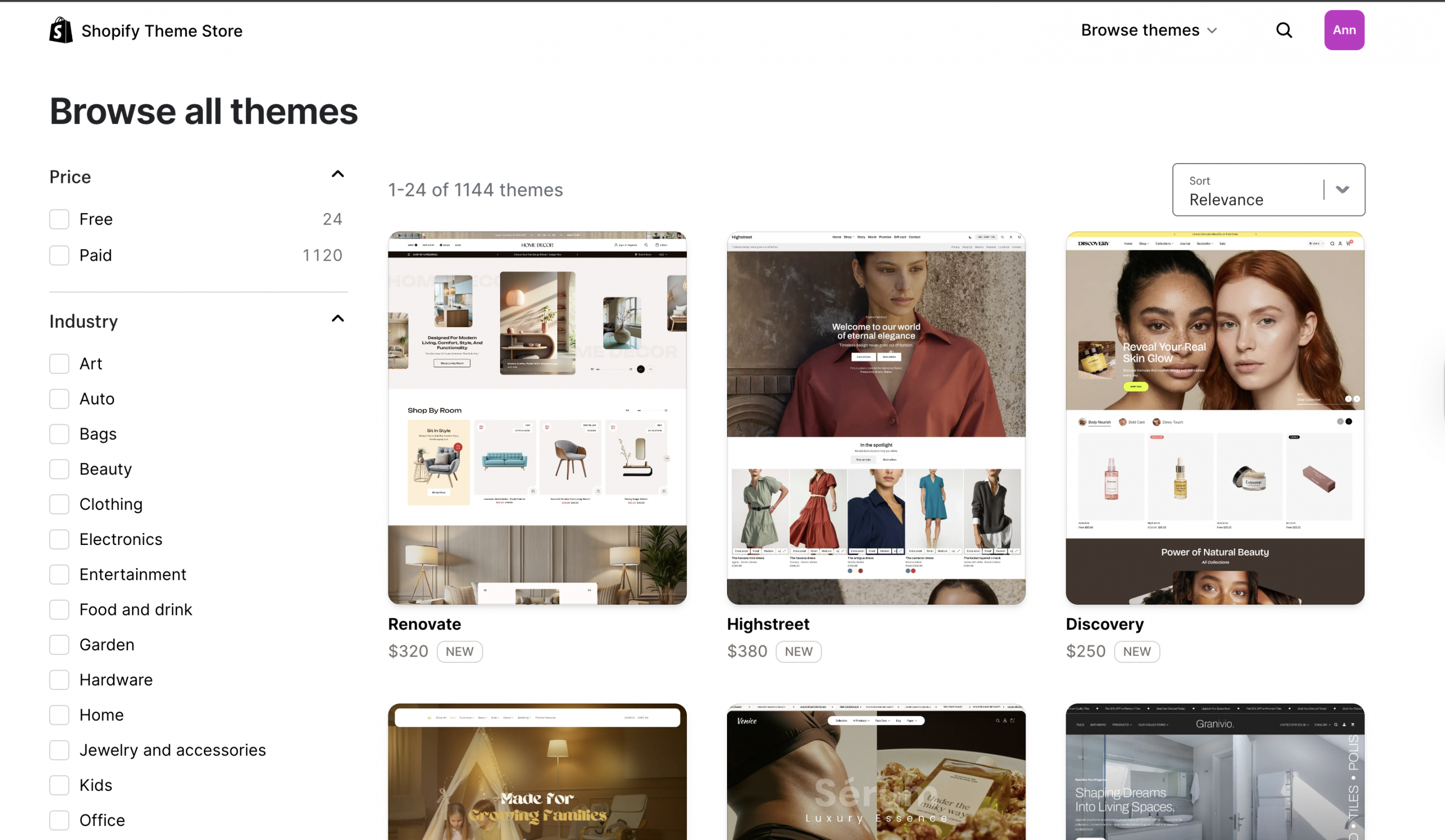
Choose a theme or template from the library of available designs, or create your own custom design.
2. Add products
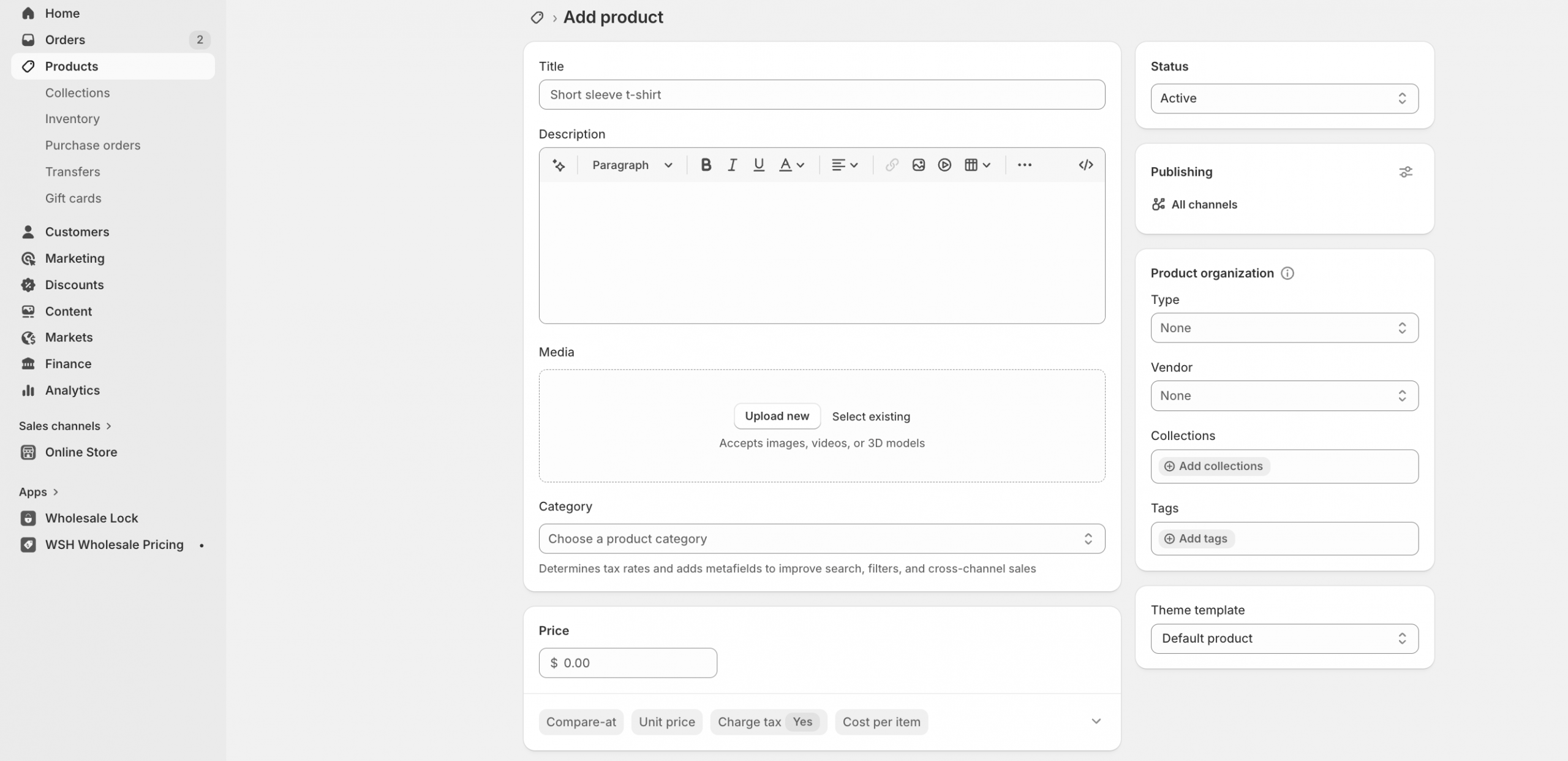
Use the drag-and-drop page builder to customize your website’s layout and add products. Also, add high-quality images and descriptions.
3. Add payment methods
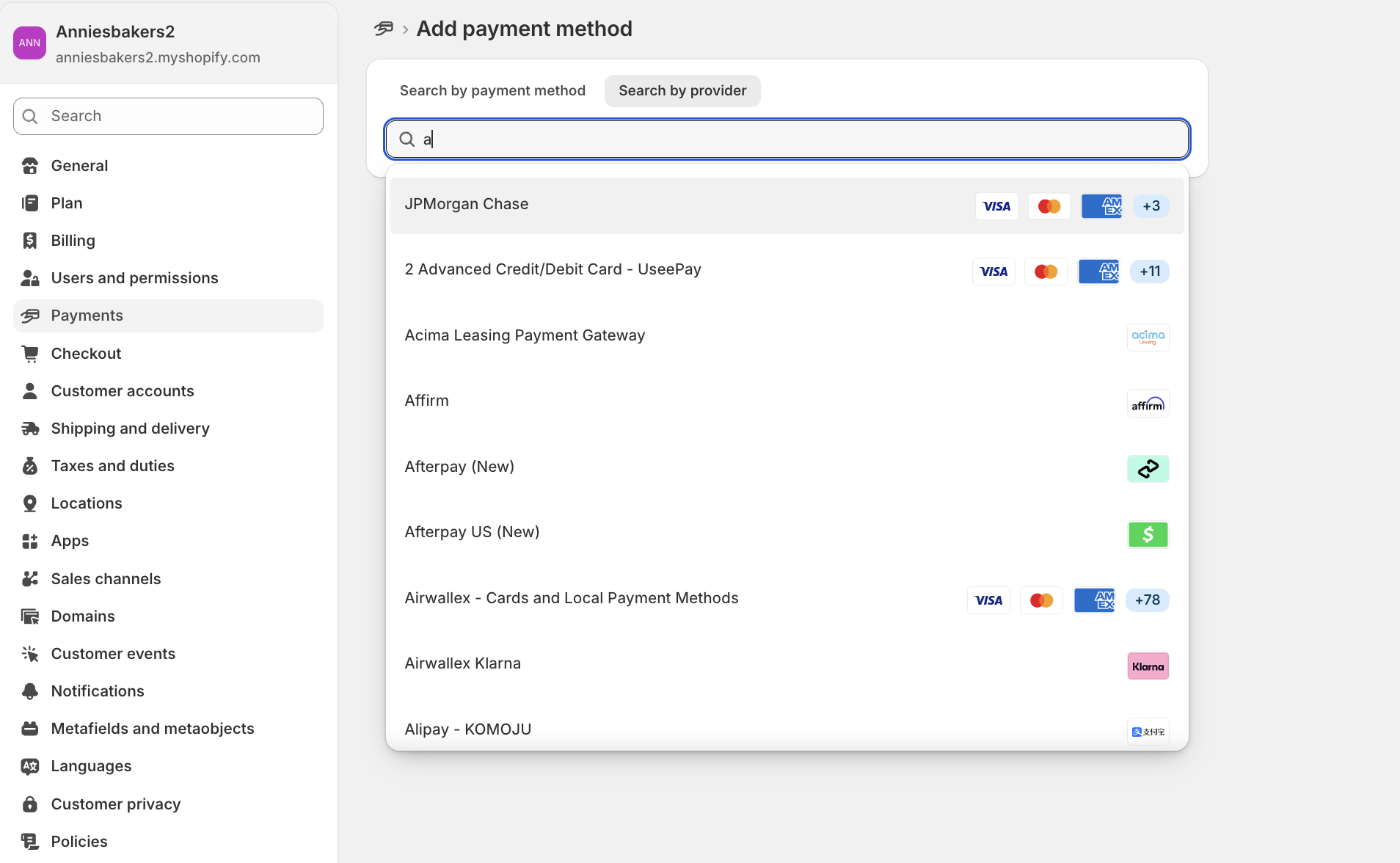
Add payment methods and adjust settings for taxes and shipping costs. You can add Stripe, PayPal or any other payment method.
4. Connect marketing tools
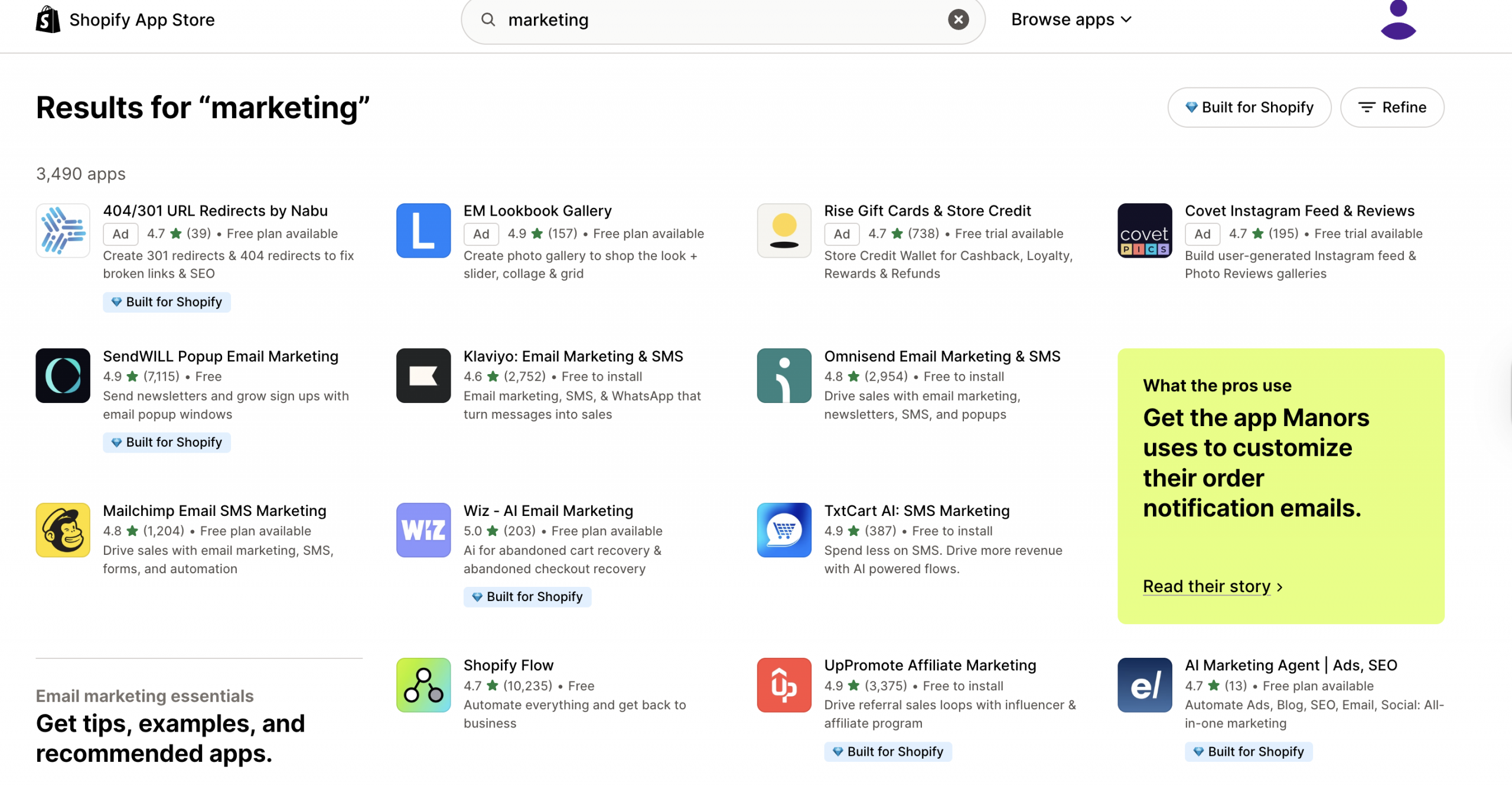
Connect marketing tools with your store and configure them to run your marketing campaigns and promote your products. You can run email campaigns, Google Ads, and more.
5. Set up analytics
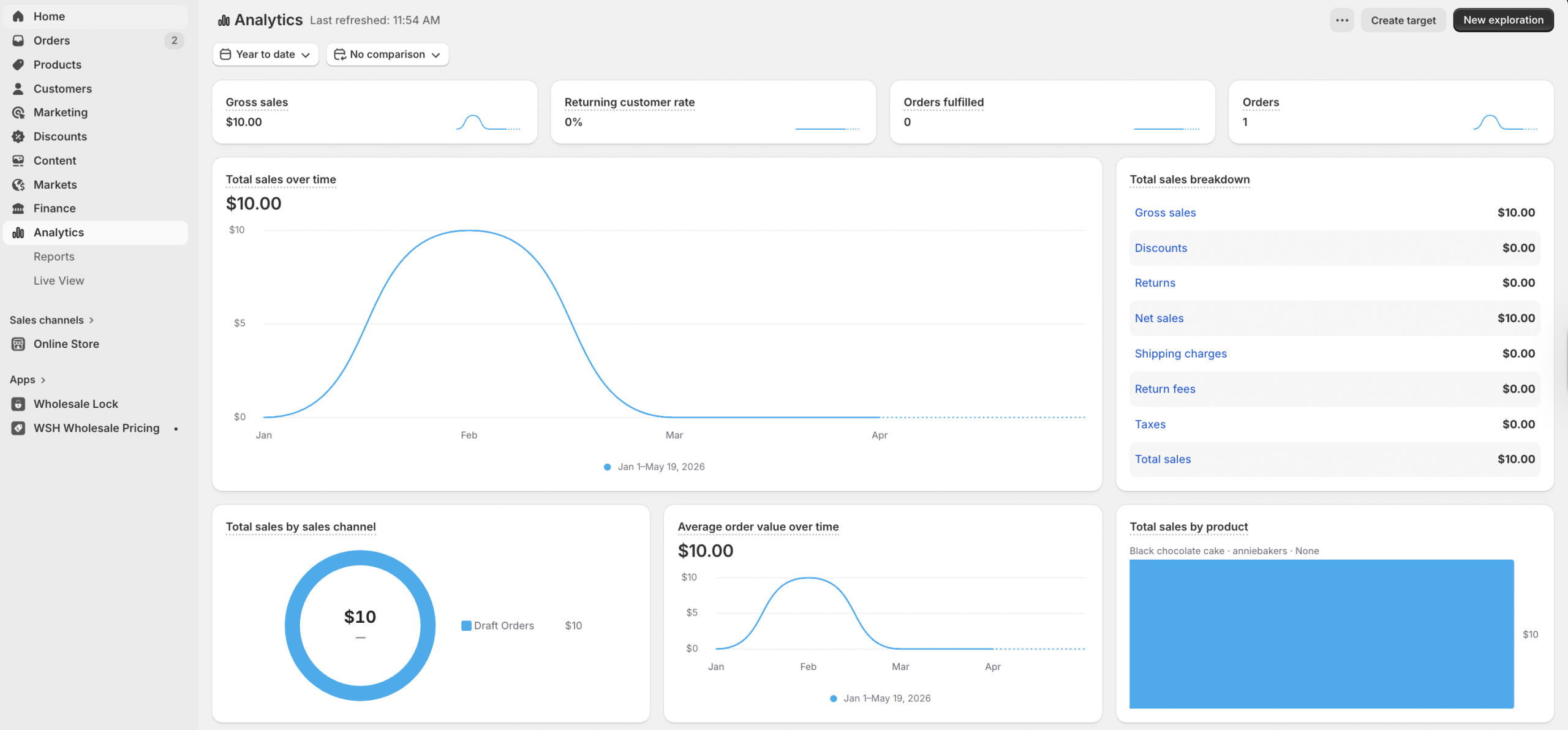
Set up site analytics to track traffic and performance of your Shopify store over time.
6. Start selling
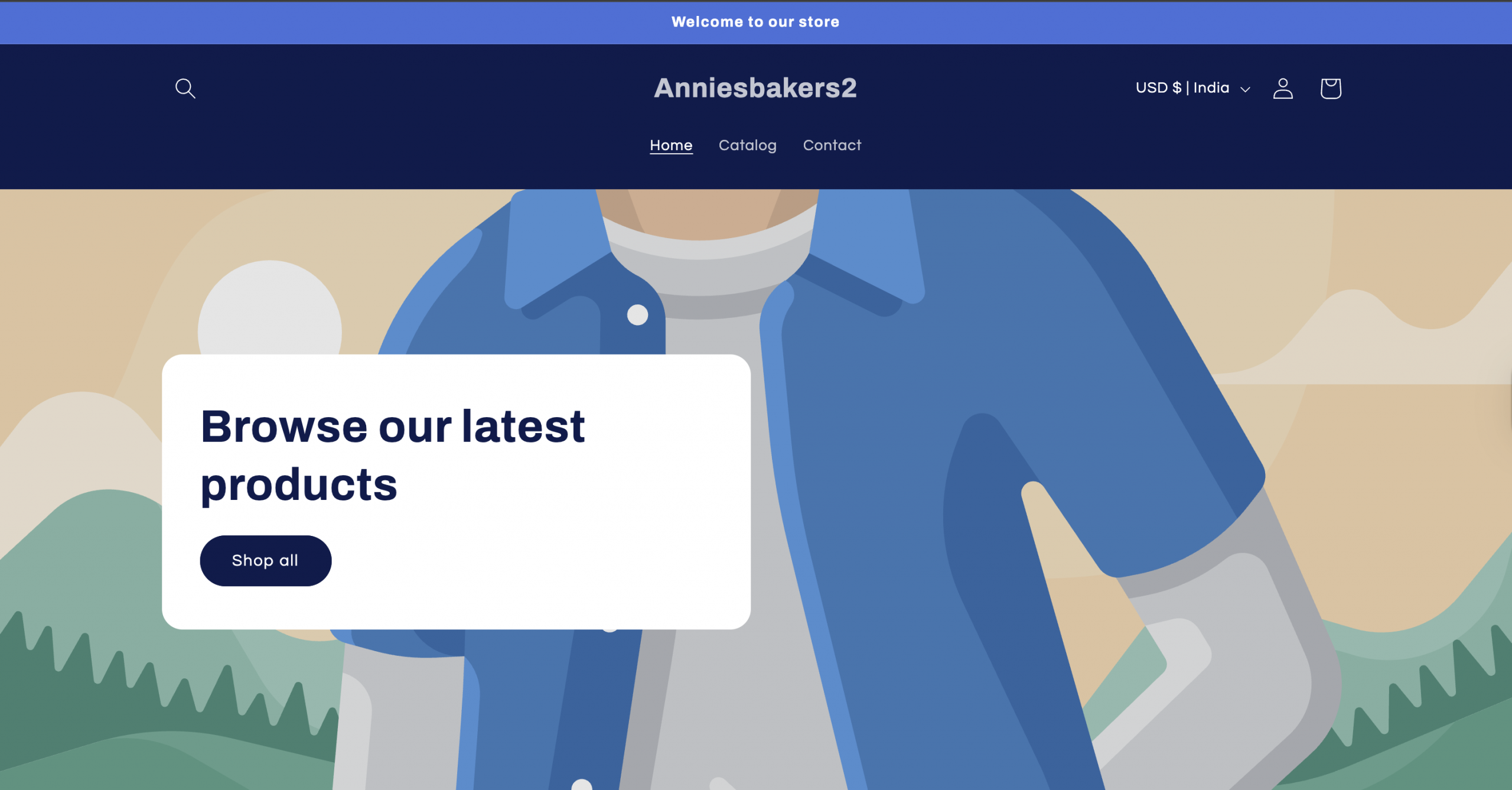
Publish your Shopify store and start selling!
If you want to build a B2B Shopify Website then you can install Wholesale Pricing Discount B2B in your Shopify store. This app will allow you to create a Dedicated Wholesale Section on your store where you can setup custom pricing, discounts, shipping rates, etc for your specific customer group/s which will be based on the customer tags.
What are Shopify website builder alternatives?
If you’re looking for more complex customization options for your e-commerce store’s design, Shopify offers a wide variety of landing page builder apps.
These Shopify web builder apps allow you to design and customize your store’s pages in more detail, with features such as custom fonts, animations, and galleries.
Here are some popular and amazing website builder apps available in Shopify app store:
- PageFly Landing Page Builder
- GemPages Landing Page Builder
- Shogun Landing Page Builder
- Superfans ‑ Mobile App Builder
- Ecomposer Landing Page Builder
Other Shopify website builder alternatives include platforms such as Squarespace, Wix, Weebly, and WordPress. Each of these offers its own unique features for creating a stunning website that’s tailored to your needs.
What should I do to create a Shopify wholesale store?
Shopify native features now supports B2B features across Basic, Grow, Advanced, and Plus, but feature depth depends on the plan. Shopify’s B2B catalog docs say Basic, Grow, and Advanced can assign up to 3 active catalogs across B2B markets, while Shopify Plus supports unlimited catalogs and direct assignment to companies and locations.
Shopify wholesale apps are still useful when you need more storefront control, customer tag pricing, locked products, wholesale forms, or faster bulk ordering.
If you are building for business buyers, our Shopify B2B guide explains how company profiles, catalogs, pricing, and payment terms work.
Tips for building a great Shopify e-commerce website
(1) Make sure you choose an appropriate theme
Select a theme that reflects your brand identity, is easily customizable, and helps your customer to navigate to different parts of your store easily. There are many free themes available on Shopify.
(2) Utilize SEO features
Make sure you’re using SEO-friendly features to optimize your e-commerce store/site for search engines.
(3) Leverage content marketing
Use the integrated blogging platform to create content that will help attract customers to your site and help you sell more products in short span of time and with more targeted focus.
(4) Use customer reviews
Add customer reviews on your all product pages to increase trust and credibility with potential buyers. This can also help in making a buying decision as quickly as possible.
(5) Customize checkouts
Customize the checkout process by adding a unique logo, customizing text, and more.
Saying this, if you don’t have professional experience in building a website, we recommend you hire a Shopify web development expert who can do the job for you.
When native B2B is not enough, Wholesale Pricing Discount B2B is the next step.
Try our Wholesale Pricing Discount B2B app for free !
Trusted by over 16,000 Shopify merchants
Summing up…
Shopify website builder is an excellent choice for building your e-commerce store. With its powerful features, easy-to-use drag-and-drop page builder and wide selection of themes, it’s one of the best ways to create a professional-looking online store. You don’t need any coding experience or prior knowledge to get started – just sign up for an account and you can begin creating your own e-commerce store in minutes!
Frequently Asked Questions
Do I need coding skills to use Shopify website builder?
No. You can build and customize a basic Shopify store without coding. If you want deeper customization, you can use custom CSS, Liquid, apps, or hire a Shopify expert.
Can I use my own domain with Shopify?
Yes. You can buy a domain through Shopify or connect an existing domain by updating DNS settings.
Is Shopify only for ecommerce websites?
Shopify is mainly built for ecommerce. You can create pages, blogs, and informational content, but its main strength is helping businesses sell products online, in person, and across channels.
Does Shopify have AI website builder features?
Yes. Shopify includes AI features such as Shopify Magic and Sidekick. These can help with content, product copy, image editing, store tasks, and other parts of running an ecommerce business.
Can I create a wholesale store with Shopify website builder?
Yes. You can build the storefront with Shopify and then use native Shopify B2B features, wholesale apps, or both to manage wholesale pricing, buyer approval, private products, bulk ordering, and payment terms.