

Win-back campaigns in B2B bulk sales deserve more honesty than they usually get. Big customers don’t just disappear. It happens in stages. One smaller order. Then delayed responses. Then silence that everyone notices but avoids calling out. By the time it shows up in reports, the relationship is already closed.
That is exactly what we are going to fix here. You will see 7 win-back campaign ideas that will rekindle connections that slipped through your pipeline and make them come back with more than just a “maybe.”
What Is A Win-Back Campaign?
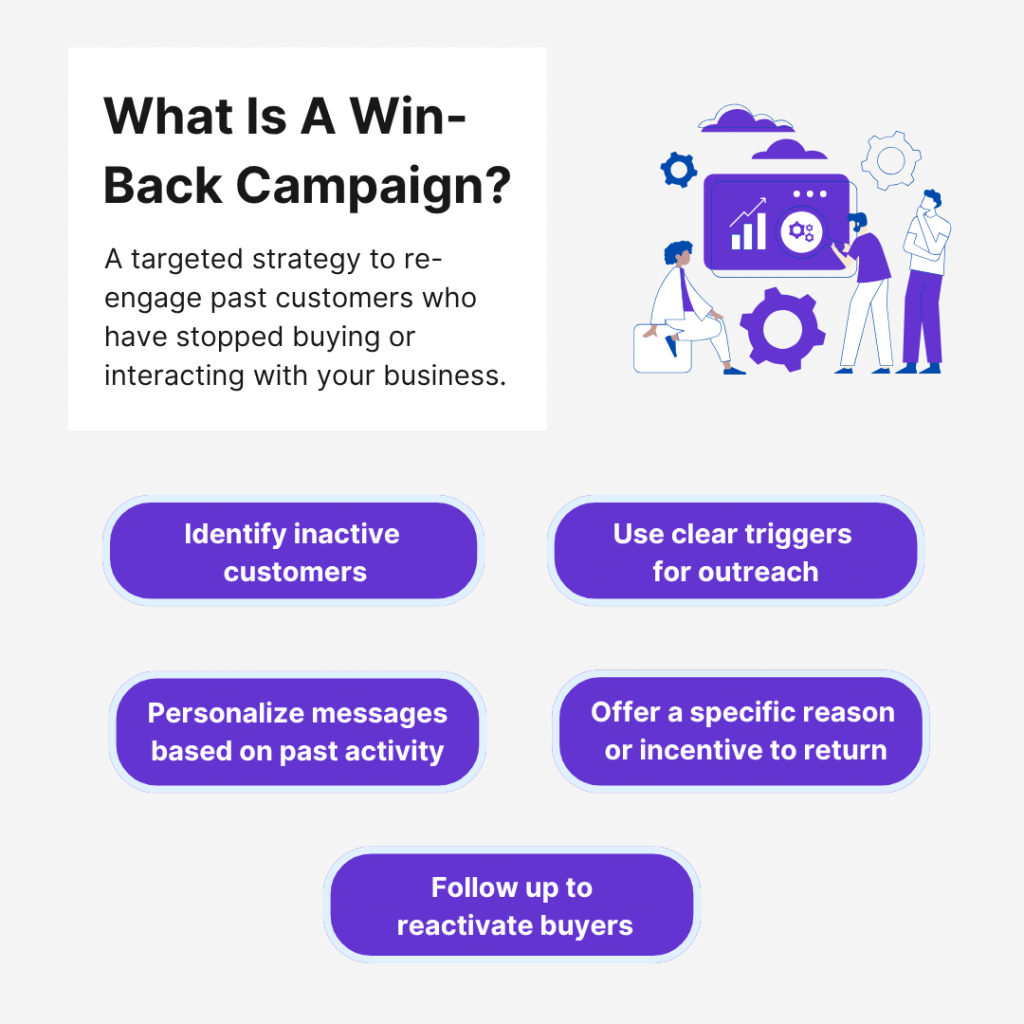
A win-back campaign is a targeted marketing strategy you run to bring back customers who have stopped buying from you or engaging with your business.
Rather than chasing completely new leads, you reach out to past customers with a clear reason to return. That could be a personalized offer, a reminder of value, an update, or a simple check-in that restarts the conversation.
A strong B2B (business-to-business) win-back campaign usually includes:
- A defined group of inactive customers (based on time or behavior)
- A clear trigger for outreach (like no purchases in 60–90 days)
- Personalized messaging based on past activity
- A specific incentive or reason to return
- Follow-ups to turn them into active customers
Why Investing In Customer Win-Back Campaigns Makes Sense: 4 Benefits That Make It Worthwhile
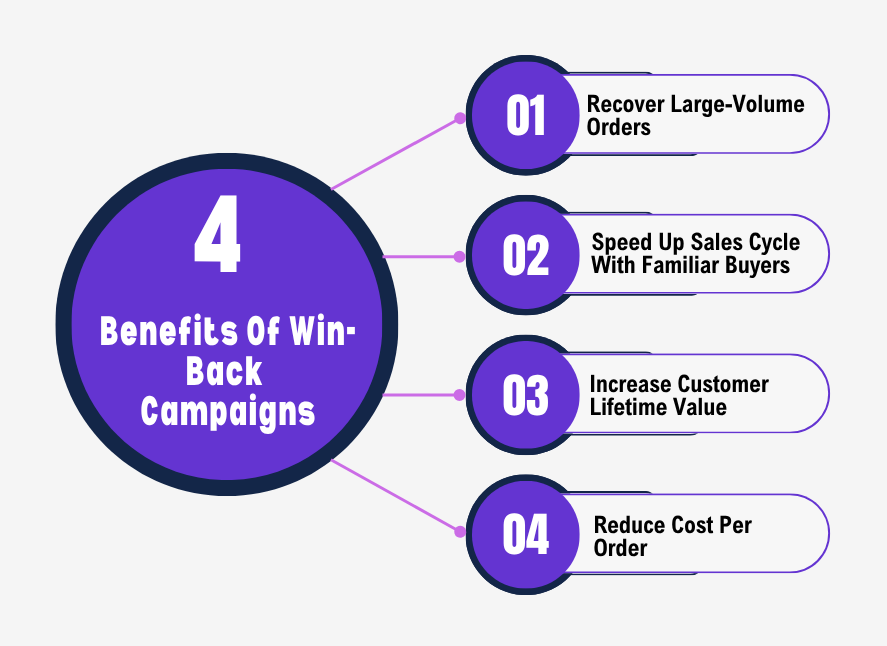
Here’s exactly why putting effort into win-back campaigns pays off.
1. Recover Large-Volume Orders Without Acquiring New Buyers
In wholesale, the math is very different from retail. You don’t need hundreds of existing customers to see a real lift in sales. Sometimes, bringing back just a few inactive buyers can completely change your monthly numbers.
And those former customers are sitting right there in your records. The big advantage of this proven strategy is familiarity. You are reminding customers who already trusted you. That removes a huge amount of resistance and turns them into repeat customers.
And reactivated buyers don’t come back “small.” They already operate at volume. If they return, they usually return with intent. A simple re-engagement works because it hits at the right moment, not because it is complicated. What you are really doing is reopening a door that was never fully shut.
2. Shorten Sales Cycles With Buyers Who Already Know Your Process
If you have ever closed a new wholesale account, you know how long it can take. There is always that stretch where things keep getting passed around – clarifying pricing, explaining minimums, handling concerns about delivery and reliability.
With past buyers, all of that is already done. They know how you operate. They have already experienced your system. They don’t need convincing at the same level. So the conversation changes from “Can we trust you?” to “Should we start ordering again now?”
And that matters big time. Because instead of dragging through multiple steps, you are jumping straight into timing or updated terms. That is why win-back deals tend to recover lost revenue faster.
3. Increase Customer Lifetime Value Across Existing Bulk Accounts
Most businesses think of customer lifetime value as a straight line. A customer comes in, orders for a while, then leaves. End of story.
But in wholesale, it doesn’t always work like that. A buyer can go inactive for months and still come back later. And when they do, their value continues.
A customer winback strategy takes advantage of this “pause and return” behaviour. Rather than writing off inactive accounts, you treat them as delayed opportunities. And what is interesting is that returning customers behave differently:
- They may place larger orders to catch up
- They are more open to trying what is new
- They engage more directly because they already understand how things work
So you are increasing the intensity of their buying when they come back. Over time, this turns your customer base more resilient. Revenue doesn’t depend only on new growth. It also comes from reactivating what you already built.
4. Reduce Cost Per Order Compared To New Wholesale Acquisition
A new wholesale acquisition isn’t cheap. Even if you are not running ads, you are still paying in time and effort. Calls, follow-ups, samples, negotiations… and a lot of it leads nowhere.
Win-back campaigns are different because most of that cost has already been paid. You have already acquired the customer and built initial trust. So reactivation becomes a much lighter lift.
And since you are investing in timing, that changes the economics completely. Instead of spending heavily to maybe find a new account, you are spending very little to likely revive an old one. Even a single returning order can justify the entire effort and boost revenue. That is why the cost per order drops so sharply when you re-engage and retain customers.
7 Effective Win-Back Campaign Ideas To Bring Wholesale Buyers Back Into Your Pipeline
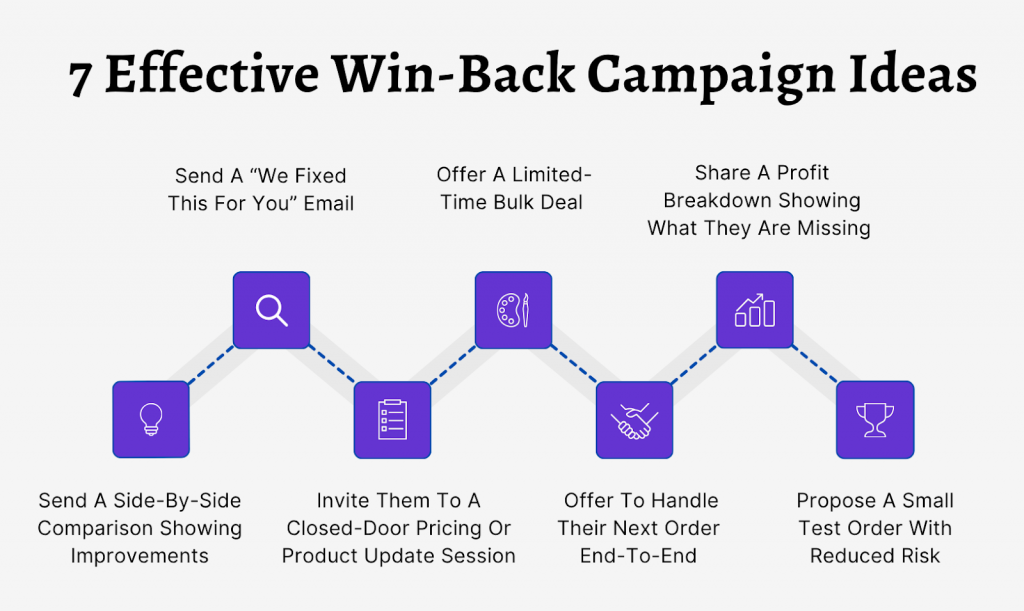
Here are 7 customer winback campaign ideas that make re-entry easy and worth acting on.
1. Send A “We Fixed This For You” Email That Directly Addresses Past Issues
You already have an advantage here: a history of the entire customer lifecycle. Something didn’t work for them earlier. Rather than dancing around it, bring it up in a matter-of-fact way and show what changed.
The goal of the re-engagement email is to remove that small mental hesitation they still carry from last time. If they remember delays, show them timing. If they had trouble with consistency, show them stability.
Do This:
- Pull up their last order timeline and compare it with your current fulfillment timeline. Then include both in the customer win-back email, ideally in the subject line
- Reference one specific past interaction in the winback email – even a small one. They should know you actually remember working with them
- Include a screenshot or short proof in the same win-back email instead of describing improvements in words
- Ask a simple and practical question at the end, like: “Want me to apply this to your last order setup so you can see the difference?”
2. Offer A Limited-Time Bulk Deal Based On Their Previous Order Patterns
They have already shown you how they buy – quantities, combinations, timing. Now you have to set the table for them exactly how they like it. Recreate that structure and offer incentives that are slightly more attractive so it feels easy to step back in. No need to make those disengaged customers rethink products or build an order from scratch.
Do This:
- Rebuild one of their past orders almost exactly. Use the same SKUs and quantities
- Add one clear benefit – extra units, better tier pricing, bundled item
- Mention when they last placed a similar order so it connects to a real moment in time
- Set a short window that is natural. Align it with restocking cycles rather than random dates
3. Share A Custom Profit Breakdown Showing What They Are Missing Right Now
Most lapsed customers don’t sit down and calculate missed profit. They just move on. So when you do that thinking for them, you are revealing. This works best when you tie past customer behavior to the current opportunity. And no, you don’t need perfect data. You need a believable estimate that is easy to understand.
Do This:
- Pick one previous purchase order and map it to current pricing and realistic resale ranges
- Keep the layout clean: three columns work well (cost → selling range → estimated margin)
- Add a short note explaining assumptions so it feels transparent and fair
- Highlight one simple takeaway number, like the total estimated margin from that single order
4. Send A Side-By-Side Comparison Showing Improvements Since The Customer Left
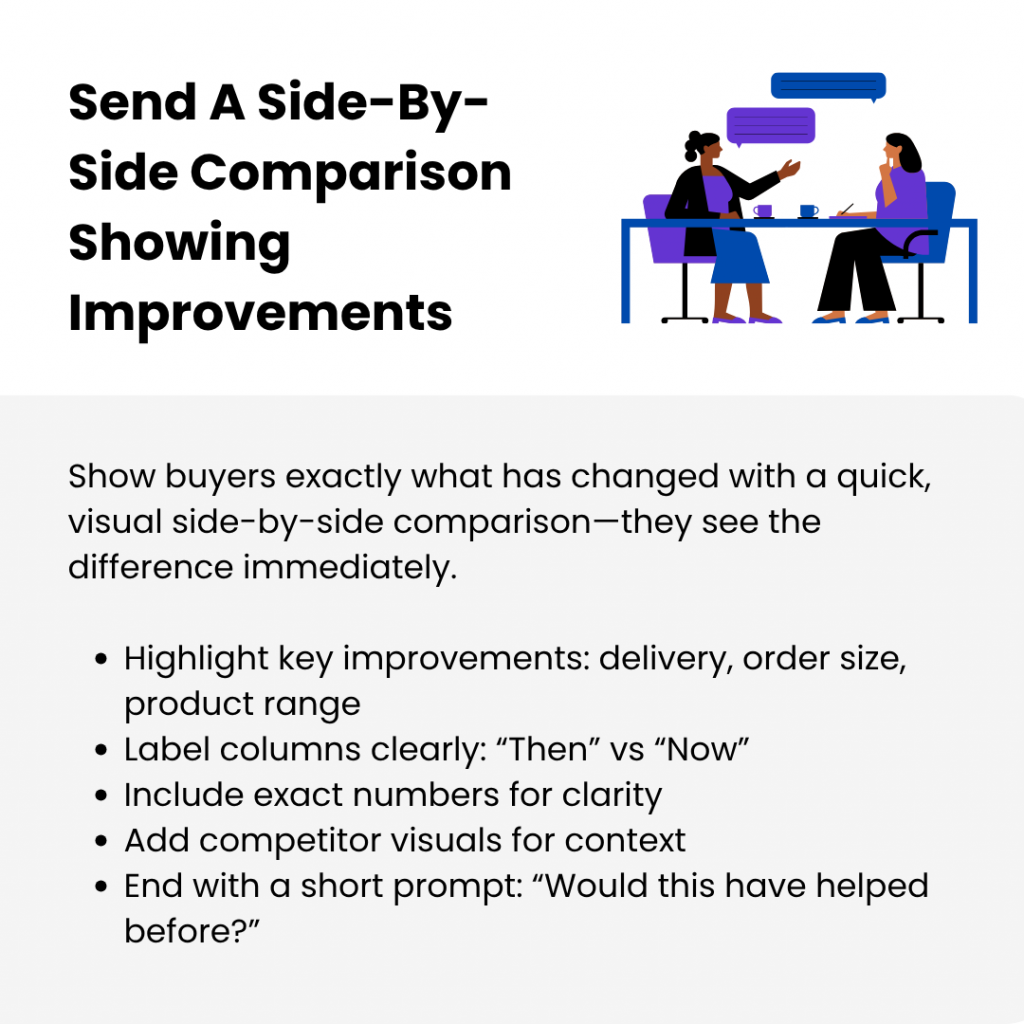
Buyers assume nothing has changed unless you prove otherwise. So rather than telling them you have improved, you make it impossible to ignore. A side-by-side comparison reduces effort. They don’t have to read paragraphs or interpret claims. They just look and instantly see the difference. But don’t compare everything. Only compare what actually matters to them.
And you can also check how similar products they use are being positioned. Extract a short clip from your competitor’s product videos using a free YouTube downloader tool and place it next to your own visuals. This turns your comparison into something they can actually see instead of just read, which makes your improvements easier to process.
Do This:
- Choose only a few meaningful points – delivery time, minimum order size, product range
- Label them clearly as “Then” and “Now” so there is no confusion
- Use exact numbers or specifics wherever possible
- Add one short line at the bottom asking if any of these changes would have mattered to them earlier
5. Invite Them To A Closed-Door Pricing Or Product Update Session
This works because it makes customers feel included, not pursued. You are giving them a reason to pay attention again without asking for a decision right away. It also changes the energy of the re-engagement campaign. Instead of one-on-one selling, it becomes a shared update – something they can listen to and think about.
Do This:
- Frame the invite as limited – e.g., “We are sharing this with a small group of past partners first”
- Keep the session tight and practical. No long presentations, just what is new and what it means for them
- Include something time-sensitive they can act on afterward (like early pricing access)
- Follow up personally with a simple question: “Want me to reserve anything for you based on what you saw?”
6. Offer To Handle Their Next Order End-To-End With Priority Fulfillment
Sometimes, the only thing standing in the way is the effort it takes to restart. There is always some level of coordination involved – figuring out quantities, confirming details, aligning timelines. When you step in and smooth the path, the decision gets easier because they don’t have to think through every step again.
Do This:
- Draft a ready-to-approve order based on their past purchase history and send it as a starting point
- Give them one direct contact who handles everything from confirmation to delivery updates
- Offer a faster and clearly defined fulfillment window and stick to it
- Ask for minimal input – only what is necessary to finalize the order
7. Propose A Small Test Order With Reduced Risk To Restart Buying
Not every churned customer is ready to jump back in at full scale. And pushing them to do that usually makes things worse. So instead, you give them a low-pressure way to re-engage. Once they go through one smooth cycle again, things pick up naturally from there. This works best when the buyer is unsure but not completely uninterested.
Do This:
- Suggest a smaller quantity that still makes sense operationally but feels low-pressure
- Simplify the product selection so they don’t have to evaluate too many options
- Offer one flexible term (like adjusted payment or easier reorder conditions)
- After delivery, follow up quickly with a clear next step if they want to scale up again
4 Mistakes In Win-Back Campaigns That Push Bulk Buyers Away + How To Fix Them
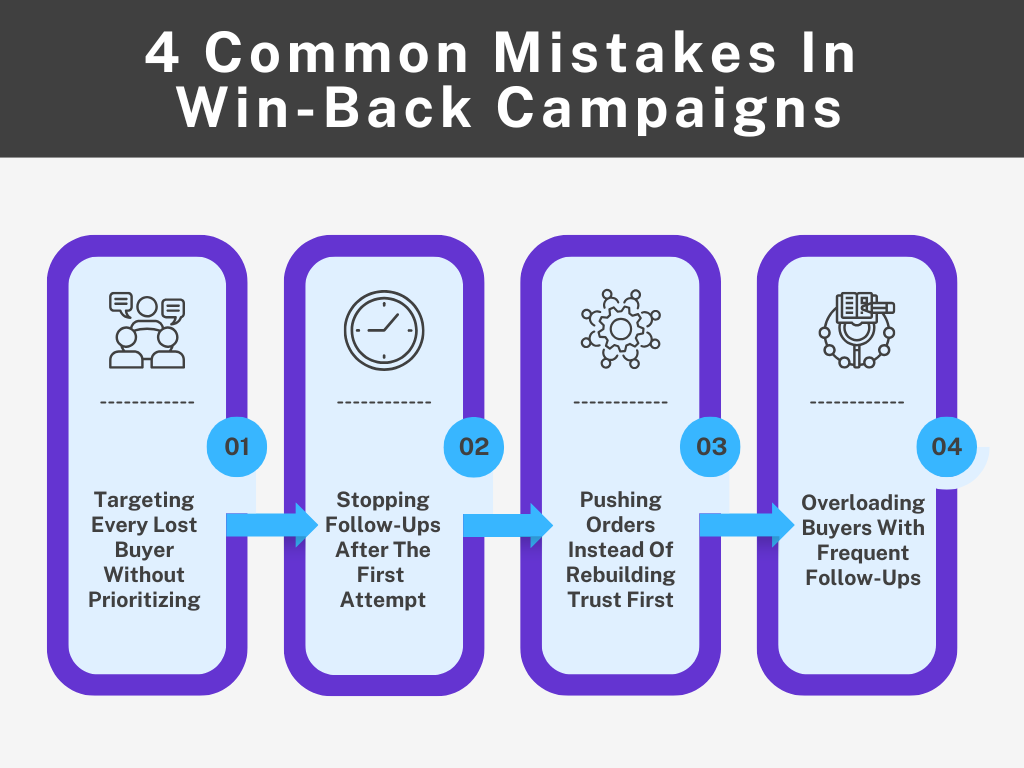
Here are 4 mistakes that push bulk buyers away and exactly how to fix them so your outreach actually brings them back.
1. Targeting Every Lost Buyer Without Prioritizing Account Value
All lost buyers come with their own story. Some used to order pallets every month. Others… just a few cases a year. When you send the same message to all of them, the high-value customers feel undervalued, while the low-value ones consume time that rarely converts. You end up doing the work, and it just doesn’t add up to much.
How To Fix: Start by sorting your inactive buyers based on past customer journey and order size + frequency. Focus first on those who mattered most, and send the right messages that are personal to their previous behavior. Show them you remember how they used to work with you.
2. Stopping Follow-Ups After The First Outreach Attempt
One winback message or direct mail is rarely enough to get a dormant customer back. Life happens – maybe they are mid-cycle on inventory or reorganizing staff. If you stop after one attempt, you are assuming silence equals disinterest, which isn’t true for most bulk buyers.
How To Fix: Plan a short and thoughtful sequence. Rather than repeating the same message, each touchpoint should give a fresh reason to respond – updated stock, new product info, incentive based on their past orders. That makes your follow-ups useful and increases customer engagement.
3. Pushing Immediate Orders Instead Of Rebuilding Trust First
Jumping straight to “place your next order” can feel pushy after months of inactivity. Even inactive subscribers or buyers who had no issues before need reassurance that it will be easy to work with you again. Asking too soon during winback efforts makes them hesitate.
How To Fix: Reconnect first without asking for a purchase. Share an update about improvements or new products that directly matter to them. Once they respond, naturally transition into the ordering conversation.
4. Overloading Buyers With Frequent Follow-Ups In Short Timeframes
It is tempting to “push harder” and send multiple messages quickly. But bulk buyers have full inboxes and packed schedules – too many messages at once just fills things up unnecessarily. They will ignore everything instead of responding to any.
How To Fix: Give each message space to breathe. Wait several days between touchpoints and make each one meaningful. When paced correctly, your messages don’t get mixed in with everything else.
3 Successful WinBack Campaign Examples From Real Businesses That Reclaimed Customers
Some businesses actually turn inactive buyers into repeat bulk customers again, and the way they do it is very specific. Here are 3 real win-back campaign examples that show exactly what worked and how they pulled those customers back in.
1. Pergola Kits USA
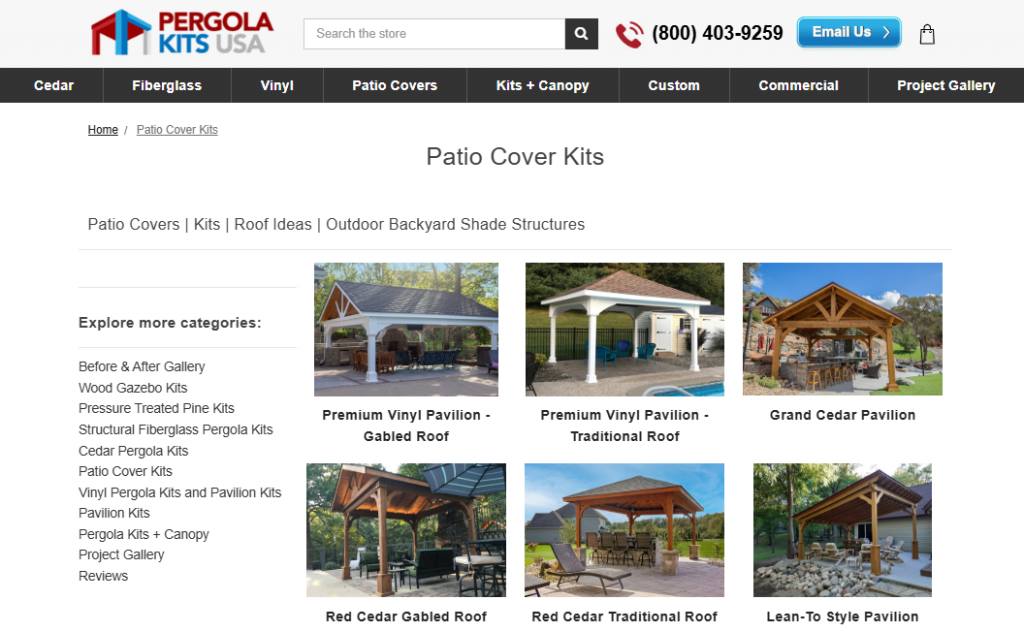
Pergola Kits USA had a very specific problem with mid-sized contractors who used to place repeat bulk orders for patio covers. They noticed that contractors were switching to local fabricators because:
- Lead times felt unpredictable
- Custom sizing required too many back-and-forth emails
- Installation teams needed clearer assembly instructions
They created a contractor reactivation sequence tied to one specific job type: multi-unit patio builds for small residential developments.
The campaign included:
- A pre-filled quote based on the contractor’s last bulk order
- A revised delivery timeline with exact dispatch windows
- A downloadable install sheet customized to that exact SKU combination
- A dedicated account rep assigned for 14 days
The Result:
- 31% of targeted contractors placed a new bulk order within 3 weeks
- Average order value increased by 18% compared to their last purchase
- Many buyers shifted back to full-kit purchases instead of partial components
This worked because the campaign solved a specific operational problem tied to a real project, not a general relationship gap.
2. BGC Wholesale
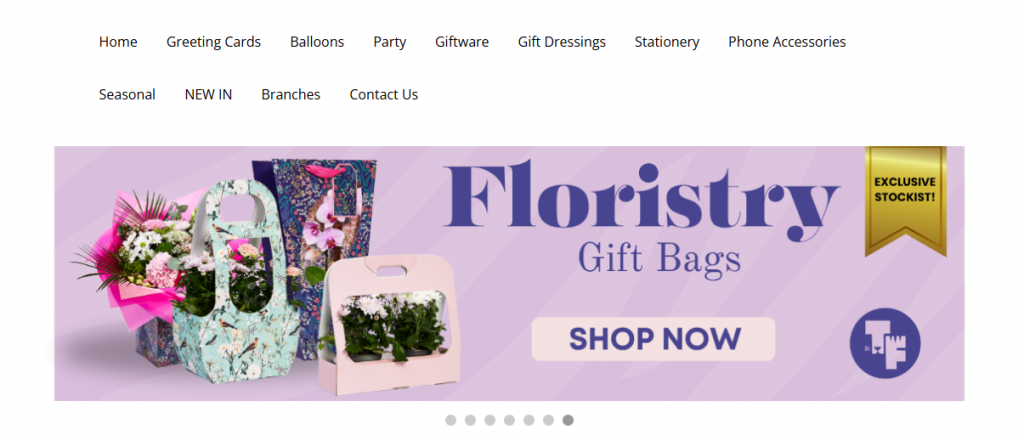
BGC Wholesale runs supply chains for bulk goods and gift card merchandise. They had a group of wholesale buyers who had placed volume orders in the past but had gone dormant.
Instead of a regular email or price‑cut approach, BGC Wholesale worked with a B2B digital commerce partner to deliver highly targeted WhatsApp campaigns to these lapsed bulk buyers. The messages were:
- Personalized per buyer segment — based on the products they ordered previously
- Time‑sensitive offers tied specifically to products the buyer had a high reorder frequency on in the past
- Direct, actionable links to order bulk quantities right from the WhatsApp message
- Short, clear calls to action like “Reorder your July gift card bulk pack and get next‑week shipping”
The Result:
- 14% of targeted dormant wholesale buyers placed new bulk orders within the first 30 days
- Reactivated buyers returned at an average order volume 18% higher than their last purchase before going inactive
- The WhatsApp channel drove a 3× higher engagement rate
3. Sewing Parts Online
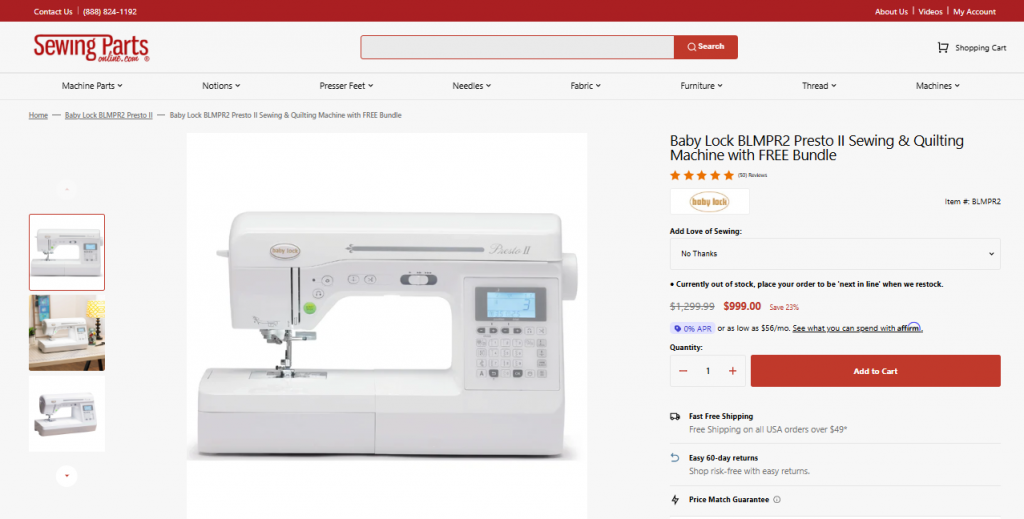
Sewing Parts Online focused on small manufacturing businesses and repair shops that used to buy sewing machine parts in bulk. The drop-off pattern looked different here. They found out that the bulk buyers were splitting orders across suppliers because:
- They couldn’t find all SKUs in one place
- Inventory visibility felt inconsistent
- Restocking required manual tracking
So they launched a “consolidation win-back campaign.” Instead of discounts, they built a system around purchase history reconstruction. Each inactive bulk buyer received:
- A reconstructed “typical monthly order” based on their last 6 months of purchases
- A one-click bulk cart preloaded with those items
- Real-time stock confirmation for every SKU
- A bulk pricing tier locked in for 30 days
They also added a reorder reminder tied to the buyer’s past purchase cycle and a simple CSV upload option for bulk restocking. The key difference here was that they removed the effort of rebuilding a fragmented buying process.
The Result:
- 42% of targeted buyers consolidated at least one full order back
- Cart sizes increased by 25–40%
- Repeat purchase cycles stabilized within 2 months
Conclusion
The old version of your offer already had its run. Something in that setup made the buyer step back. Now you have to give them a clearer reason to take another look. So pull past customer relationship data and find buying gaps.
Run win-back campaigns regularly. Track who is ready for a larger order again and who needs a second push. Keep it direct. Keep it relevant.
Ready to impress your B2B customers? Start wholesaling like a pro! 🙂
Try our Wholesale Pricing Discount app for free !
Trusted by over 15,000 Shopify merchants

![Top 11 Wholesale Suppliers In the USA [in 2024]](https://wholesalehelper.io/blog/wp-content/uploads/2024/09/Top-11-Wholesale-Suppliers-In-the-USA-in-2024-1-270x180.png "Top 11 Wholesale Suppliers In the USA [In 2026] – Updated")