
Key Takeaways
- Holiday marketing works best when planning starts early, but not so early that buyers lose interest.
- Mobile checkout, clear discounts, segmented emails, and realistic inventory planning matter more during peak shopping periods.
- Most holiday marketing mistakes happen because stores focus only on the sale and ignore support, delivery, returns, and post-holiday follow-up.
- For Shopify stores, the best holiday campaigns are simple to understand, easy to redeem, and backed by a store that can handle higher traffic and order volume.
Holiday sales can bring a big spike in traffic, orders, and revenue for ecommerce stores. Customers are actively looking for gifts, bundles, discounts, limited-time offers, and faster delivery options. But the same season also exposes weak points in your store, from slow mobile checkout to poor inventory planning and unclear discount rules.
The opportunity is still huge. NRF expected U.S. holiday retail sales to pass $1 trillion for the first time in 2025, while Adobe reported that U.S. online holiday spending reached $257.8 billion from November 1 to December 31, 2025. Mobile also became a major part of holiday ecommerce, with Adobe reporting that mobile accounted for 56.4% of online holiday spending in 2025.
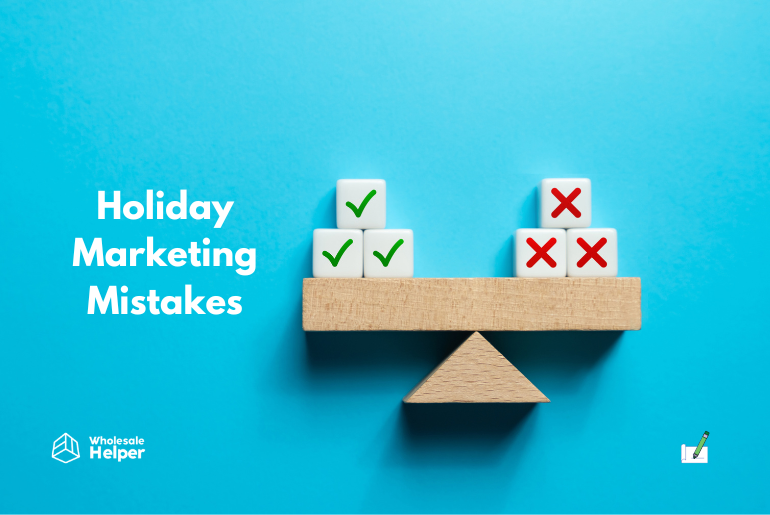
In this article, we’ll look at 9 holiday marketing mistakes ecommerce stores should avoid, along with simple ways to fix them before the next peak season.
(1) Starting Too Late or Too Early
Holiday marketing leverages proactive engagement to create buzz around your product and build anticipation before sales start. But starting too early could destroy that element of anticipation and cause excitement to wane faster.
Starting too late also limits your visibility. Visibility is essential for drawing leads, and you need leads to make sales.
To achieve your sales goals, launch your holiday campaigns at least three to four weeks in advance but no more than two months. This allows enough time to attract leads, build interest, and adjust your marketing strategy.
(2) Ignoring Mobile Optimization
Mobile optimization is no longer optional for holiday campaigns. Adobe reported that mobile accounted for 56.4% of U.S. online holiday spending in 2025, making it the first full year where mobile crossed more than half of online spend during the season.
During holiday periods, there is always a surge in traffic, most times double or more than usual. This can lead to technical issues like lags, login problems, bugs, and so on. You need to prepare for these and bump your server up.
Shoppers are also less patient than ever, especially when competitors offer similar or Before launching holiday campaigns, test your store on mobile like a real buyer. Check product pages, cart, discount codes, checkout, payment options, page speed, popups, sticky bars, and navigation. If customers have to pinch, zoom, wait too long, or re-enter details again and again, many will leave before buying.
(3) Neglecting Email Segmentation
Sending the same holiday email to every customer is one of the easiest ways to waste traffic and lower conversions. A first-time visitor, repeat buyer, VIP customer, wholesale buyer, inactive subscriber, and cart abandoner should not receive the same offer. Their intent, buying history, and order value are different.
Start with simple segments:
- New subscribers
- Past buyers
- High-value customers
- Cart abandoners
- Inactive customers
- Wholesale or B2B buyers, if you sell to both retail and business customers
For example, a repeat buyer may respond better to early access or a loyalty offer, while a wholesale buyer may care more about volume discounts, order deadlines, and delivery timelines. Segmentation does not need to be complicated. Even basic customer groups can make your holiday emails feel more relevant.
(4) Offering Overly Complicated Discounts or Promotions
For e-commerce stores, offering discounts, promotions, and time-limited offers are good lead magnets during holiday sales. But that’s only if you do them right. Adding excessive or vague instructions, a dozen tasks to complete before claiming discounts, unreasonable referral programs, or untransparent deals can yield the opposite result.
Keep the offer easy to understand. If customers need to read too many conditions before using a discount, many will simply drop off. See how an e-commerce brand Blendjet perfectly executed theirs.
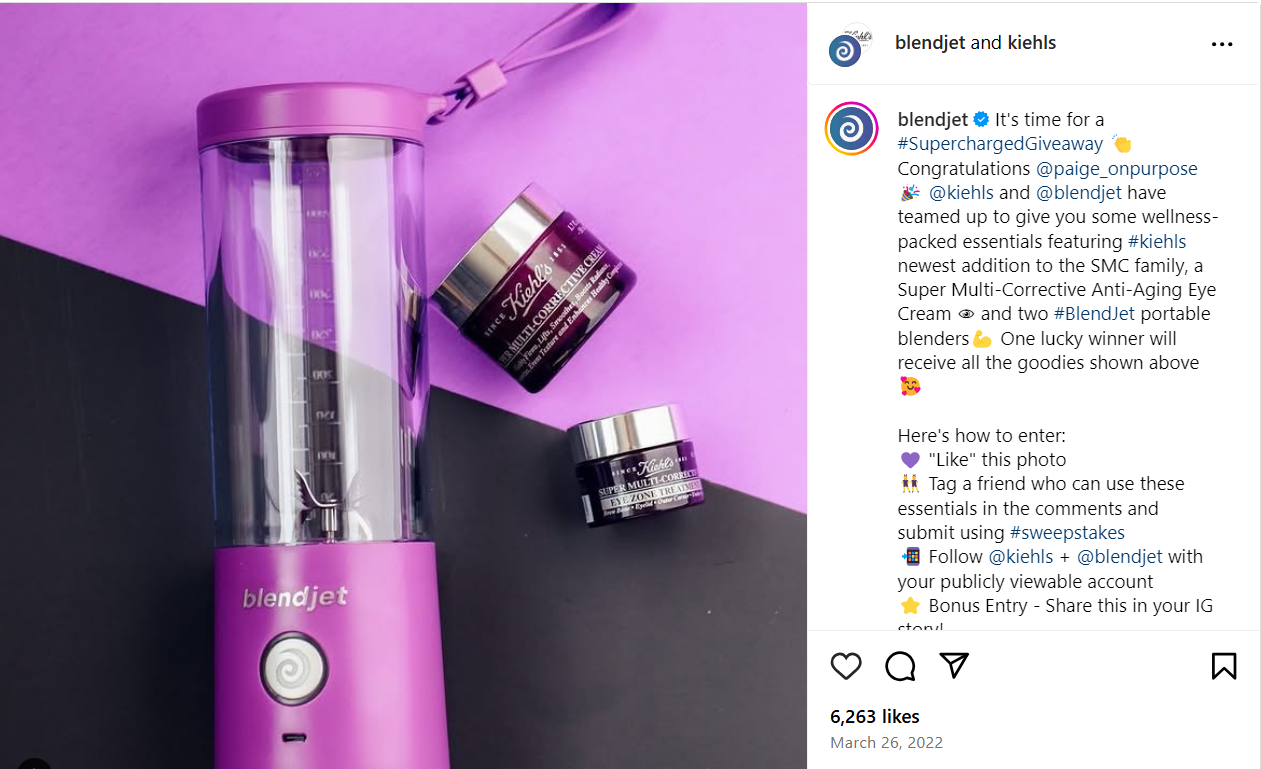
Don’t promise discounts you can’t offer. Clickbait can severely damage your business reputation.
(5) Failing to Personalize Marketing Campaigns
Personalization provides 40% more revenue, according to McKinsey. But only a fraction of ecommerce brands personalize their marketing campaigns, thus largely missing out on this benefit.
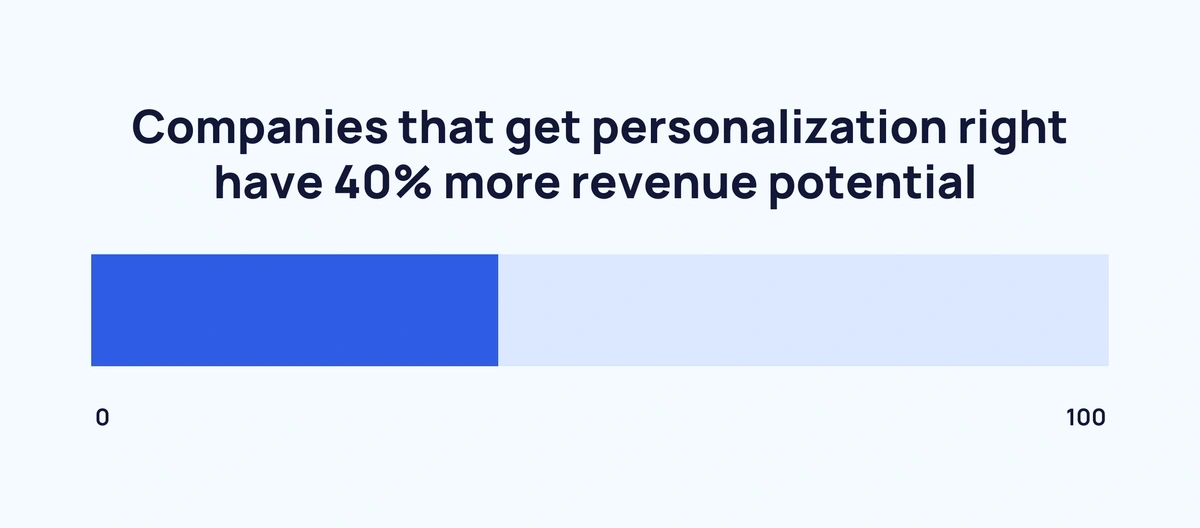
It’s also important to highlight that personalization goes beyond using the first name in an email introduction. While that’s part of it, you need something much more significant, like tailoring promotional content to your audiences’ holiday preferences, traditions, or past interactions with your brand.
For instance, you could reference their favorite products, offer curated gift guides based on their shopping history, or provide exclusive deals that resonate with their festive spirit.
Ultimately, minimizing holiday marketing mistakes can lead to a significant boost in customer satisfaction.
(6) Underestimating or Overestimating Inventory Needs
Holiday periods cause a surge in purchasing volume. Sometimes, demand outstrips supply, and not planning your inventory ahead can lead to underdelivering. Underdelivering leads to consumer disappointment and dissatisfaction, which can impact your business beyond the holiday season.
To avoid this pitfall, analyze your previous holiday sales data manually or with AI to predict or forecast possible demand.
Just as you can run out of stock in the middle of your campaigns, you can also end up with too much supply. So, consider market trends, especially for certain products, and analyze consumer purchasing habits during peak shopping periods. This will help plan your inventory efficiently. If you don’t want to continue selling during the holiday season, you may also choose to pause your e-commerce store.
(7) Skipping Social Media Engagement
Social media is still one of the main places where customers discover products, compare offers, and check whether a brand feels trustworthy. In 2026, Sprout Social reports around 5.66 billion active social media users worldwide.
Utilize platforms like Facebook, TikTok, and Instagram to build demand and excitement for your holiday deals. Respond to comments on your campaigns, address complaints, and build a good PR. This boosts your brand’s credibility and visibility ahead of the shopping period.
(8) Not Preparing for Increased Customer Support Demand
Higher holiday demand also means more support questions. Customers may ask about delivery dates, discount codes, returns, order changes, payment issues, product availability, and gift options. If your support team is not ready, small issues can quickly turn into refunds, complaints, and negative reviews.
Before the campaign starts, prepare saved replies for common questions. Make return policies, shipping cut-off dates, delivery timelines, and discount terms easy to find. You can also use chatbots or helpdesk automation for basic questions, but make sure customers can still reach a real person when the issue is urgent.
(9) Ignoring Post-Holiday Marketing Opportunities
Post-holiday periods are the most sensitive moments to capitalize on your holiday gains. But most businesses ignore it because it’s nothing like the original in terms of traffic surge and buying frenzy.
You have new leads from previous campaigns to engage, tons of complaints to address, and, most importantly, late shoppers to appease. Proactively equip your support and sales team to handle these opportunities.
The support team should be ready to effectively address refund and return issues and offer a good customer experience. Your sales team should be trained to nurture new leads into potential buyers.
Wrapping
Holiday seasons are one-way tickets to boost your ROI, expand your business reach, and attract more leads. But that’s depending on how you do it. For a start, avoid starting too early or late. Don’t ignore mobile optimization, email segmentation, and personalization.
Proactively plan your inventory based on market trends and historical sales data. Utilize social media platforms to gain more visibility and leverage post-holiday opportunities to keep the steam rolling.
When native B2B is not enough, Wholesale Pricing Discount B2B is the next step.
Try our Wholesale Pricing Discount B2B app for free !
Trusted by over 16,000 Shopify merchants
Frequenty Asked Questions
When should ecommerce stores start holiday marketing?
Most ecommerce stores should start planning holiday campaigns 6 to 8 weeks before the main shopping period. Customer-facing promotions can usually begin 3 to 4 weeks before the sale, depending on the product, audience, and offer.
What is the biggest holiday marketing mistake?
One of the biggest mistakes is launching campaigns without checking the store experience. If mobile pages are slow, discounts do not work properly, inventory is unclear, or support is not ready, even a good offer can perform badly.
How can Shopify stores prepare for holiday sales?
Shopify stores should test mobile checkout, prepare discount rules, check inventory, update shipping timelines, segment email lists, prepare customer support replies, and make sure product pages clearly explain offers and delivery deadlines.