

Key Takeaways
- Shopify forms help merchants collect customer details, handle inquiries, accept newsletter signups, manage wholesale requests, and make buying easier.
- The most useful forms in Shopify include registration forms, login forms, wholesale order forms, product forms, contact forms, checkout forms, newsletter signup forms, and review forms.
- Shopify’s own Forms app can be used to create popup and inline forms, collect customer information, tag customers, view analytics, and support wholesale retailer intake.
- For simple email capture or customer information forms, Shopify Forms can be a good starting point.
- For advanced form needs like custom registration fields, file uploads, conditional logic, or complex wholesale ordering, a third-party form app may still be a better option.
- If your store sells wholesale, a bulk order form can make it easier for B2B customers to add multiple products and reorder faster.
If you want your Shopify store to generate more sales, it’s important to make it easy for customers to interact with your store.
Forms play a big role in this. Whether a customer is creating an account, contacting your team, joining your email list, requesting access to wholesale pricing, or placing a bulk order, the right form can make the process faster and cleaner.
For B2C stores, forms help with customer support, lead capture, reviews, and checkout. For B2B and wholesale stores, forms become even more important because buyers may need custom pricing, approved accounts, product catalogs, quantity rules, and repeat ordering.
In this article, we will talk about the main types of forms in Shopify, where they are useful, and how they can benefit your store. We will also cover some Shopify form apps that can help you add and customise these forms more easily.
Why should you add forms in Shopify store?
Shopify forms make it easier for customers to share information with your store. This can include simple details like name and email, or more specific information like product questions, wholesale account details, order quantity, business name, tax ID, or delivery preferences.
Forms also help you organize customer data better. For example, you can use a newsletter form to build your email list, a contact form to manage support requests, a registration form to create customer accounts, and a wholesale form to collect business details from B2B buyers.
For stores that sell to both retail and wholesale customers, forms can also help separate regular shoppers from business buyers. This makes it easier to approve wholesale customers, assign them to the right customer segment, and give them a more relevant buying experience.
In short, forms are not just for collecting information. They can improve the buying experience, reduce manual back-and-forth, and help your team manage customer requests more efficiently.
Types of Shopify forms you should add to your store
A Shopify store can use different types of forms for different customer actions. Some forms help customers create an account. Some help them contact your team. Some help you collect emails, reviews, or product-specific information.
If you sell wholesale or B2B, forms can also help you approve business buyers, collect company details, and make bulk ordering easier. Below are some of the most useful forms you can add to your Shopify store.
Here are some common forms you should add to your Shopify store:
1. Shopify Registration Form
By default, Shopify has a registration form on your store that enables customers to create an account by providing personal information such as their name, email, address, and password.
For B2B stores, a registration form can also be used to collect business-related details such as company name, business email, phone number, tax ID, reseller status, or the type of products the buyer is interested in. This helps you understand whether the customer is a regular shopper or a wholesale buyer.
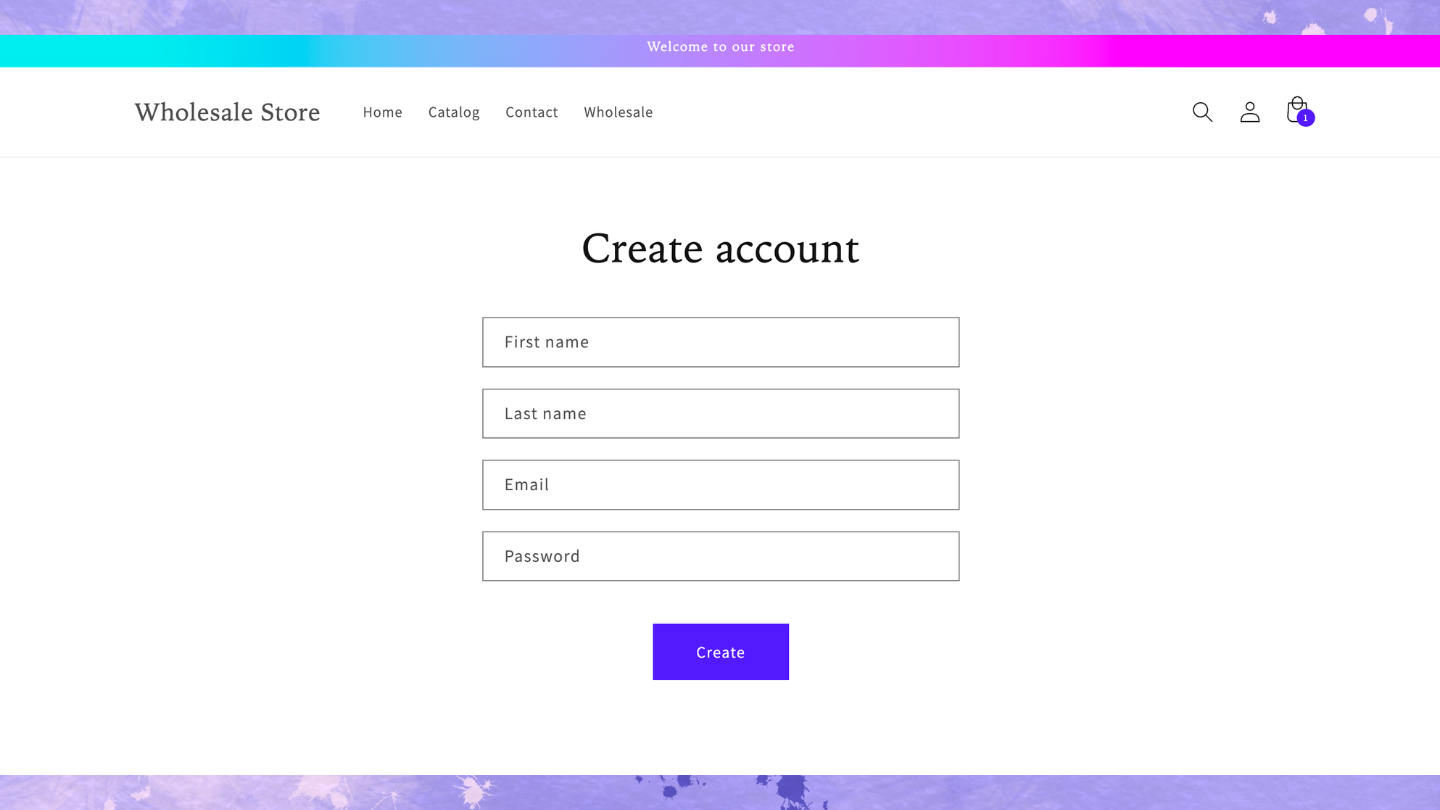
How to customize the Shopify registration form:
You can customize the registration form by adding fields or editing existing ones. This way, you can collect additional information like DOB, etc.
Follow the steps mentioned in this article to customize your registration form on Shopify. You can also use a third-party form builder app like Helium to create a custom ‘create an account’/’registration’ form for your Shopify store.
2. Shopify Login Form
Shopify login form is used by registered users to sign into their existing accounts using their credentials, typically their email and password.
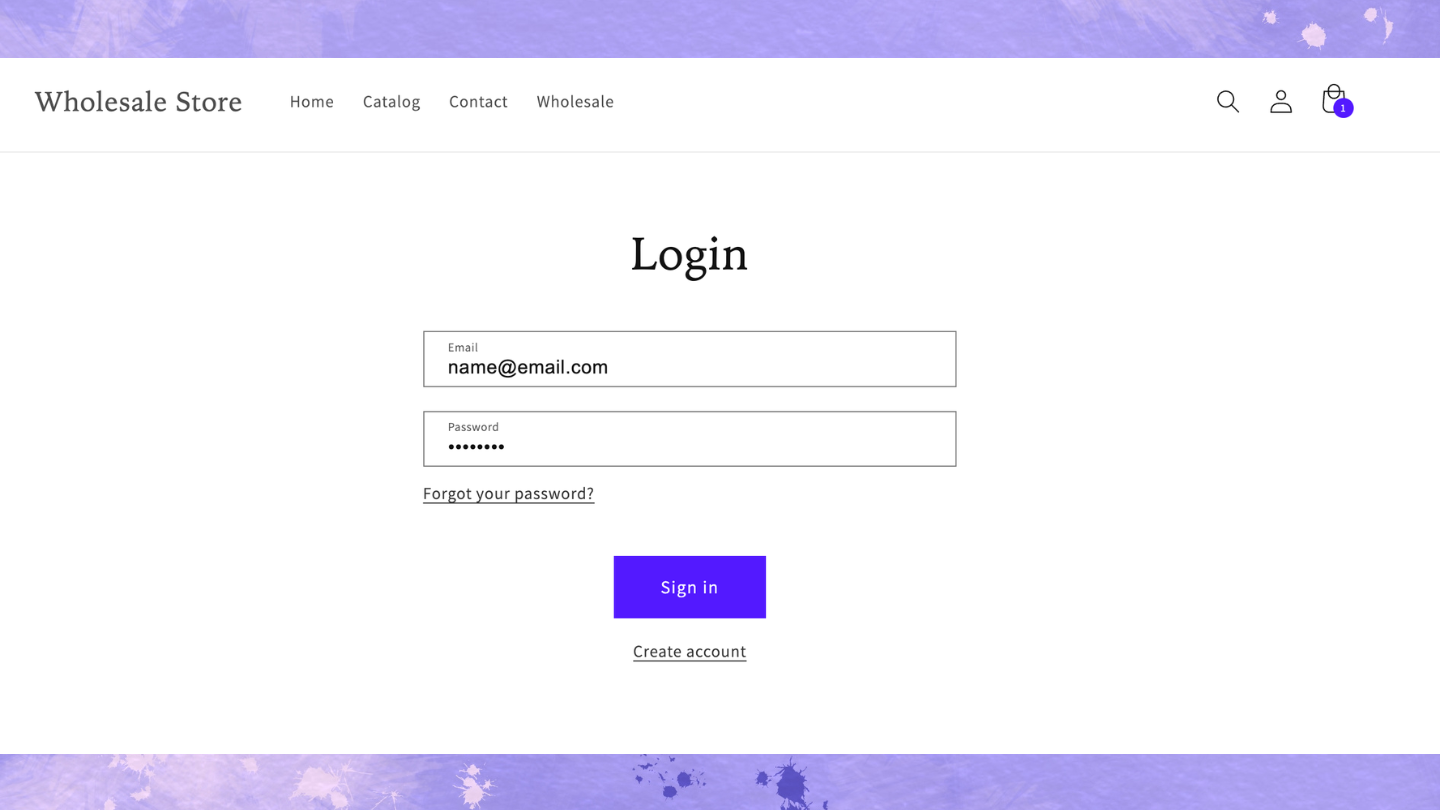
How to customize the Shopify login form:
Shopify’s login form is usually controlled by your theme and customer account settings. You can update the design from your theme editor so that the login page matches your store’s branding.
For B2B stores, the login experience is even more important because approved buyers may need to access customer-specific pricing, payment terms, catalogs, and previous orders after logging in.
Keep the login page simple. Avoid adding too many distractions because the main goal is to help returning customers sign in quickly.
3. Wholesale Order Form
If your Shopify store sells products in bulk or wholesale, a wholesale order form can make the buying process much easier for B2B customers.
Instead of opening every product page one by one, wholesale buyers can quickly select products, add quantities, review SKUs, and place a larger order from one place. This is useful for repeat buyers, retailers, distributors, salons, clinics, cafes, or any customer who regularly buys in bulk.
A good wholesale or bulk order form should include important details such as product name, SKU, variant, quantity, price, minimum order quantity, case pack size, and reorder options.
Shopify has also been improving its native B2B features. Merchants can now use B2B features such as company profiles, custom catalogues, volume pricing, quantity rules, vaulted credit cards, and payment terms, depending on their plan and setup. This makes wholesale selling more native to Shopify than before.
However, many stores may still need a dedicated wholesale order form app if they want a faster bulk ordering experience, reorder functionality, or a more flexible order form layout.
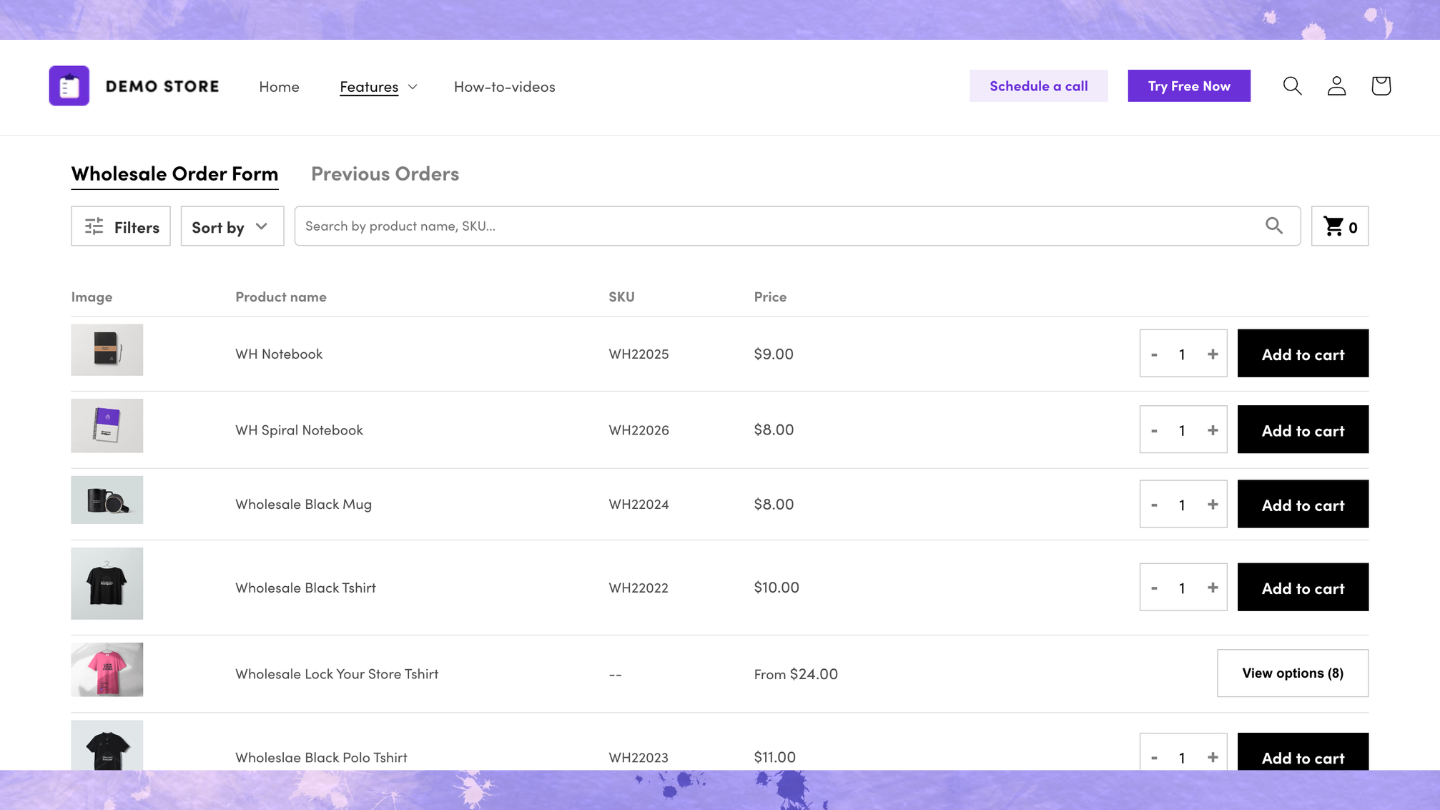
How to add and customize a wholesale order form:
Go to Shopify App Store > Add WSH Order Form & ReOrder app to your store. Follow the instructions mentioned in the app and you can also create a Shopify custom order form. You can also add the Wholesale Order Form to your products page.
4. Shopify Product Form
A product form on your Shopify store helps your customer choose a specific type of product(s) by selecting its quantity, size, color, and other variants. It enables users to add the desired product(s) to their shopping cart quickly and conveniently.
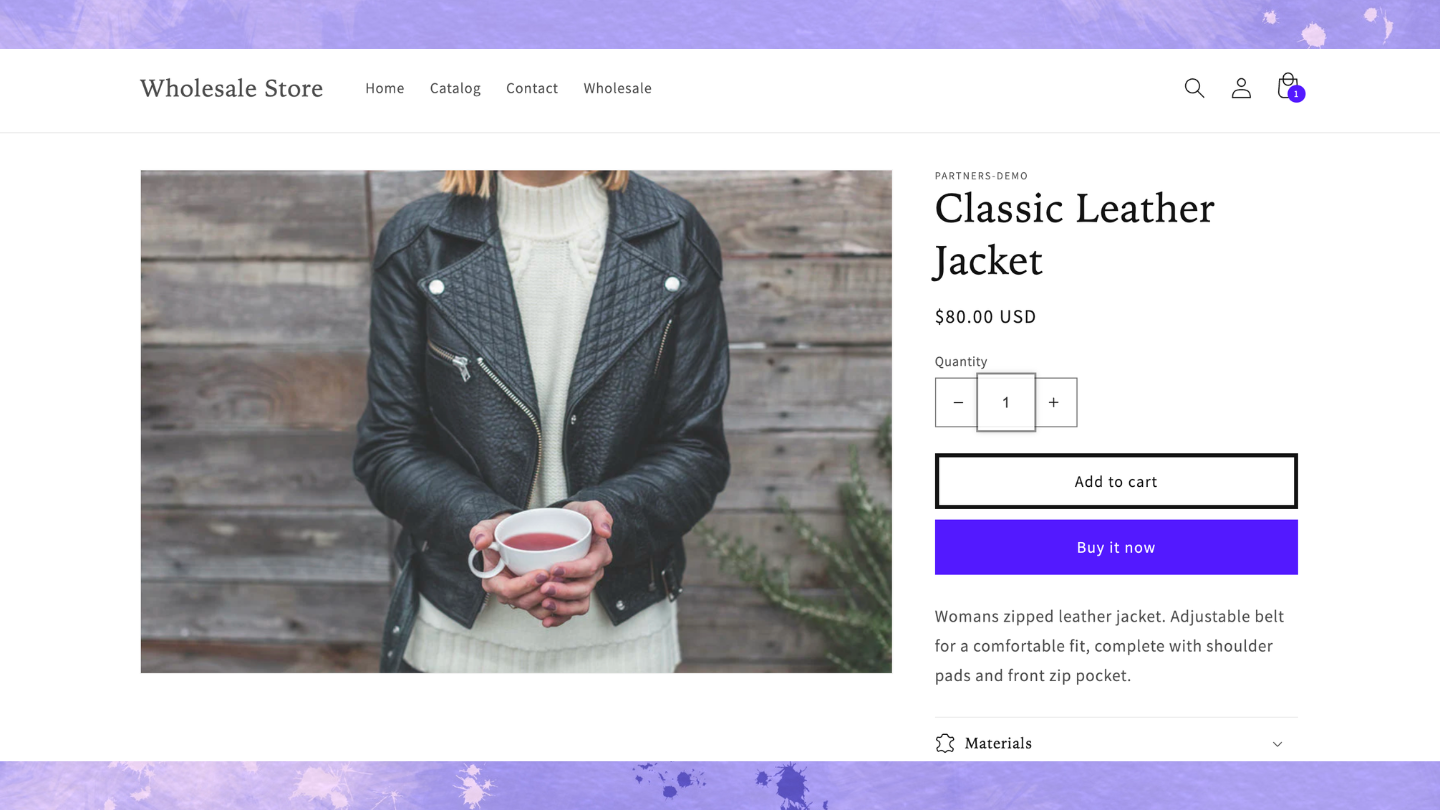
How to customize the Shopify product form/page:
You can customize the product form from your Shopify theme editor. Depending on your theme and setup, you can modify quantity selectors, variant options, product buttons, labels, and other product page elements.
If you sell to B2B customers, also review whether your product pages should support quantity rules, volume pricing, or quick order options. This can make it easier for wholesale buyers to order in the right quantities.
5. Shopify Contact form
A Shopify contact form helps customers reach out to your store for questions, support, product inquiries, refunds, collaborations, or wholesale requests.
It should usually be added to your contact page along with basic store details such as your email address, phone number, business hours, or support response time.
For better organization, you can add a dropdown field such as:
- Product question
- Order support
- Returns or refunds
- Wholesale inquiry
- Partnership request
- Other
This helps your team understand the type of request and reply faster.
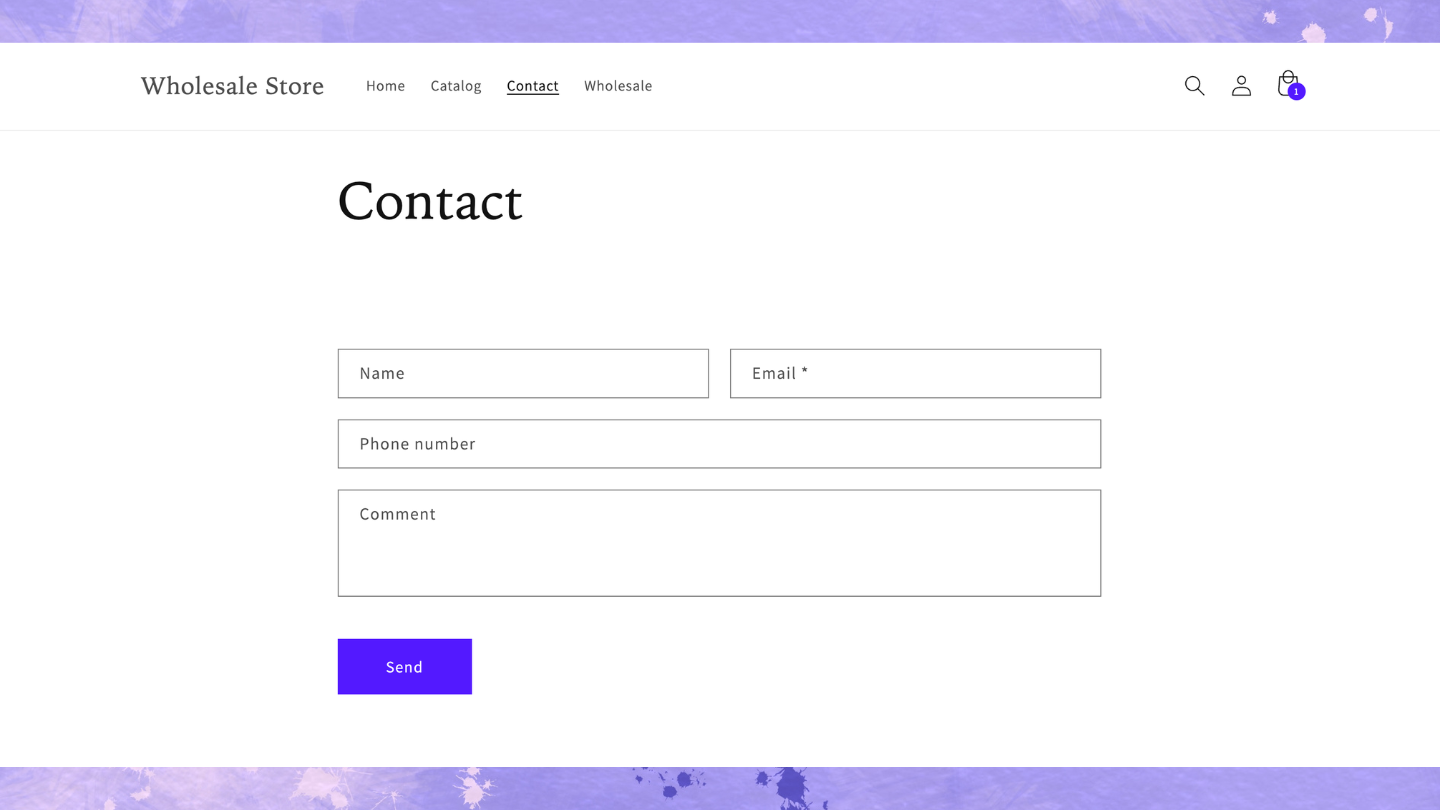
How to customize the Shopify contact form:
You can customize your contact form by adding fields such as name, email, phone number, order number, message, and inquiry type. If you receive a lot of B2B inquiries, add fields like company name, website, and expected monthly order volume.
6. Shopify Checkout Form
TThe checkout form is where customers enter important details such as shipping address, billing address, contact information, delivery preferences, and payment method.
For regular D2C customers, the checkout form should be short and easy to complete. For B2B customers, checkout may also include company details, net payment terms, deposits, purchase order numbers, or wholesale discounts depending on your Shopify setup.
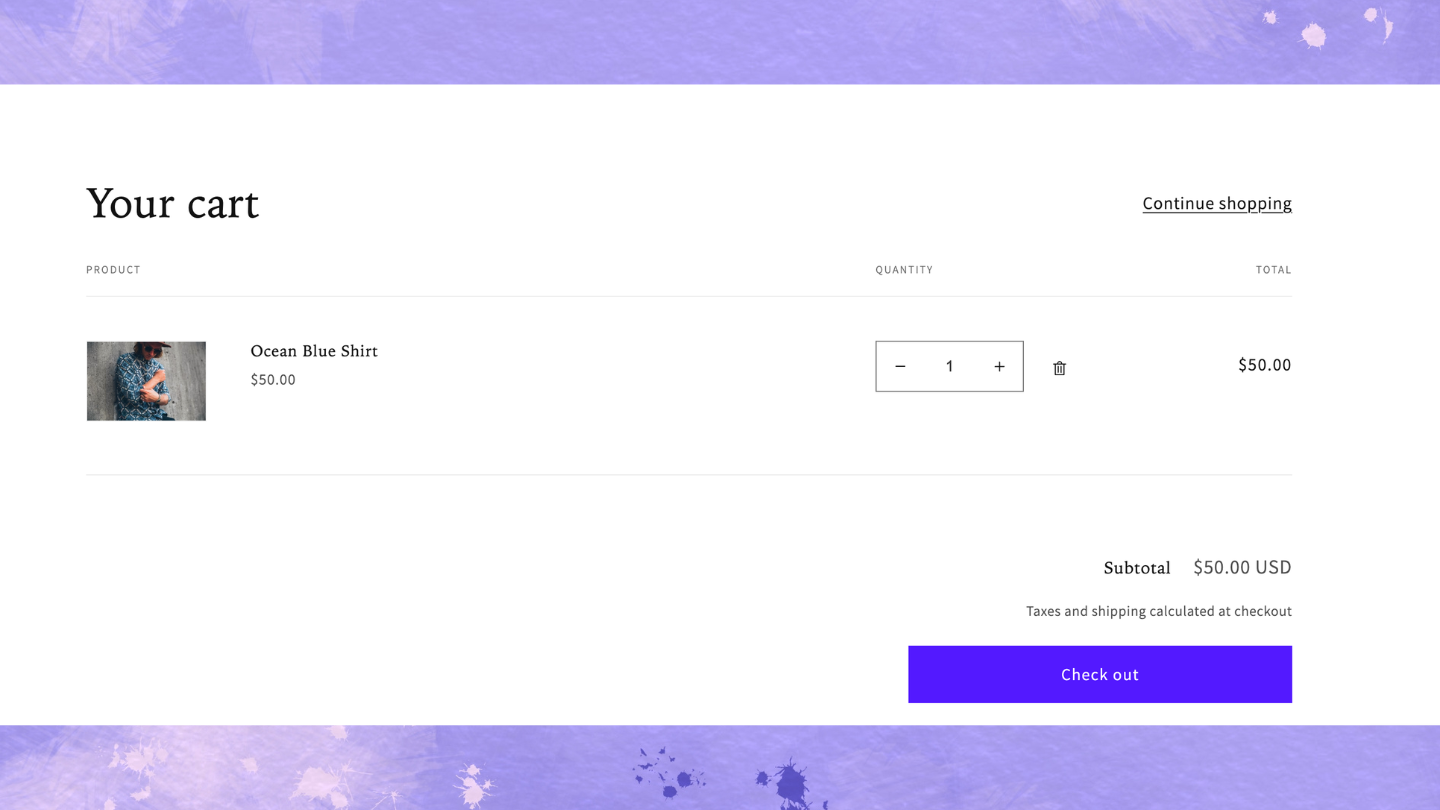
How to customize the Shopify checkout form:
You can customize the Shopify Checkout Form by adding additional fields such as preferences for delivery methods, gift options, etc., or customizing existing ones such as labels for editing input fields. You can also change colors, fonts, and more.
To do this, go to Settings > Checkout > Customize checkout
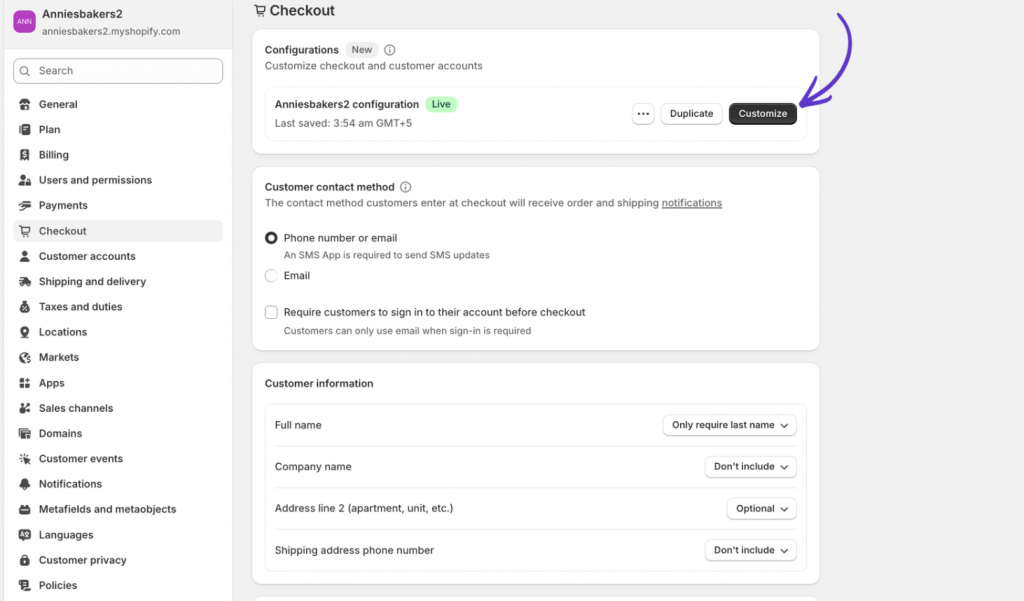
For B2B stores, you should also review Shopify’s B2B checkout features, such as payment terms, deposits, payment methods, and wholesale discounts. If your store needs more advanced checkout workflows, you may need Shopify-supported checkout customisations or third-party apps like the Wholesale Pricing Discount B2B.
7. Shopify Newsletter Signup Form
If you want to find the best way to retain your customers and get more repeat orders, sending them product newsletters is the most fruitful option. Adding a newsletter signup form on your Shopify store will help you to collect customers’ emails and send them promotional newsletters or updates about your store. Regular notifications are likely to encourage shoppers to visit your site frequently.
A newsletter form can also help you segment customers based on their interest. For example, you can collect emails from retail customers, wholesale buyers, VIP customers, or customers interested in specific product categories.
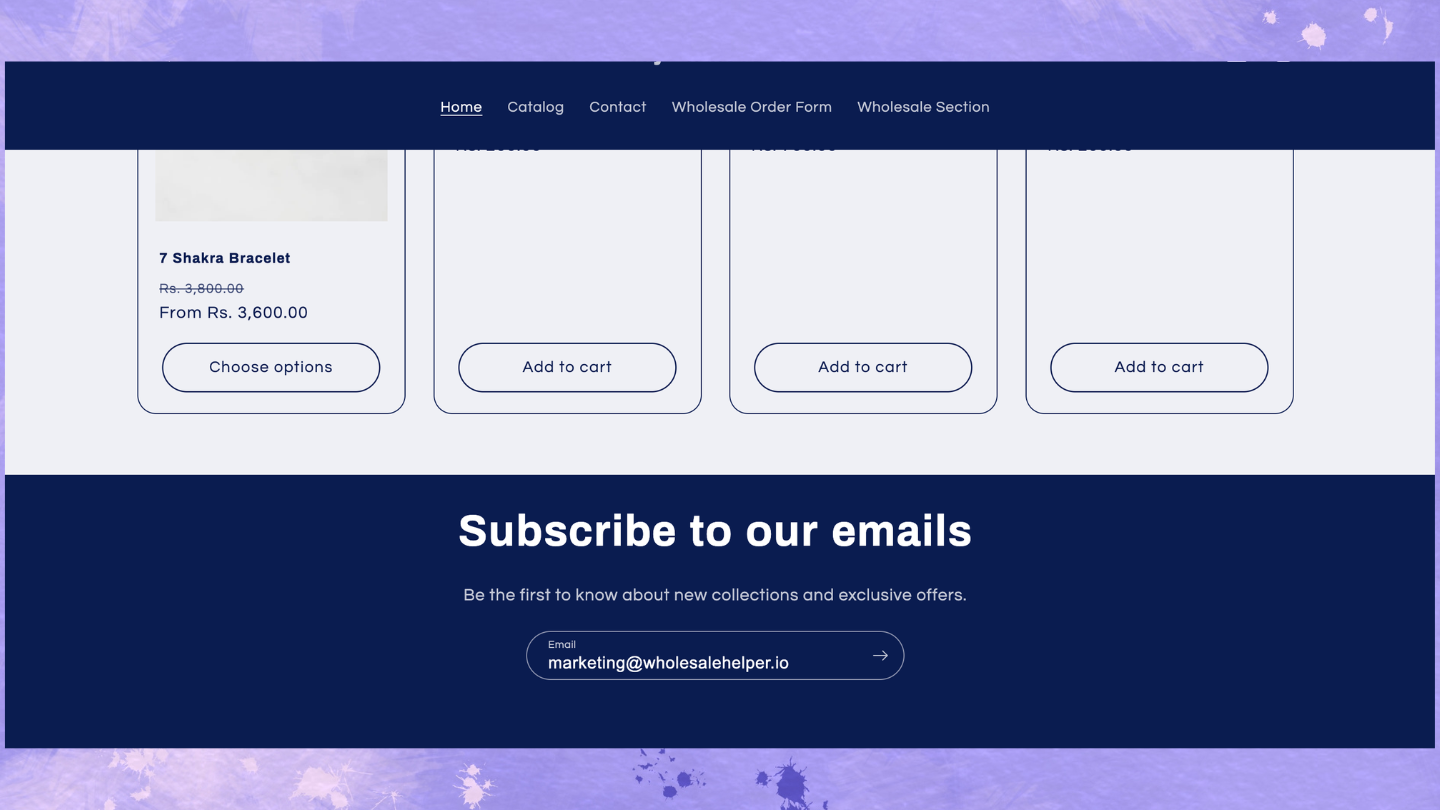
How to customize the newsletter signup form:
You can create a dedicated page or a pop-up to display the newsletter signup form on your Shopify store. To set up a newsletter signup for your store, you may use an app such as Klaviyo.
8. Review/Rating Form
If your customers like the products they purchased from your store, they may be willing to write a review or rate it. Adding a review section on your Shopify store is a great way to showcase customer satisfaction and build credibility in the eyes of potential customers.
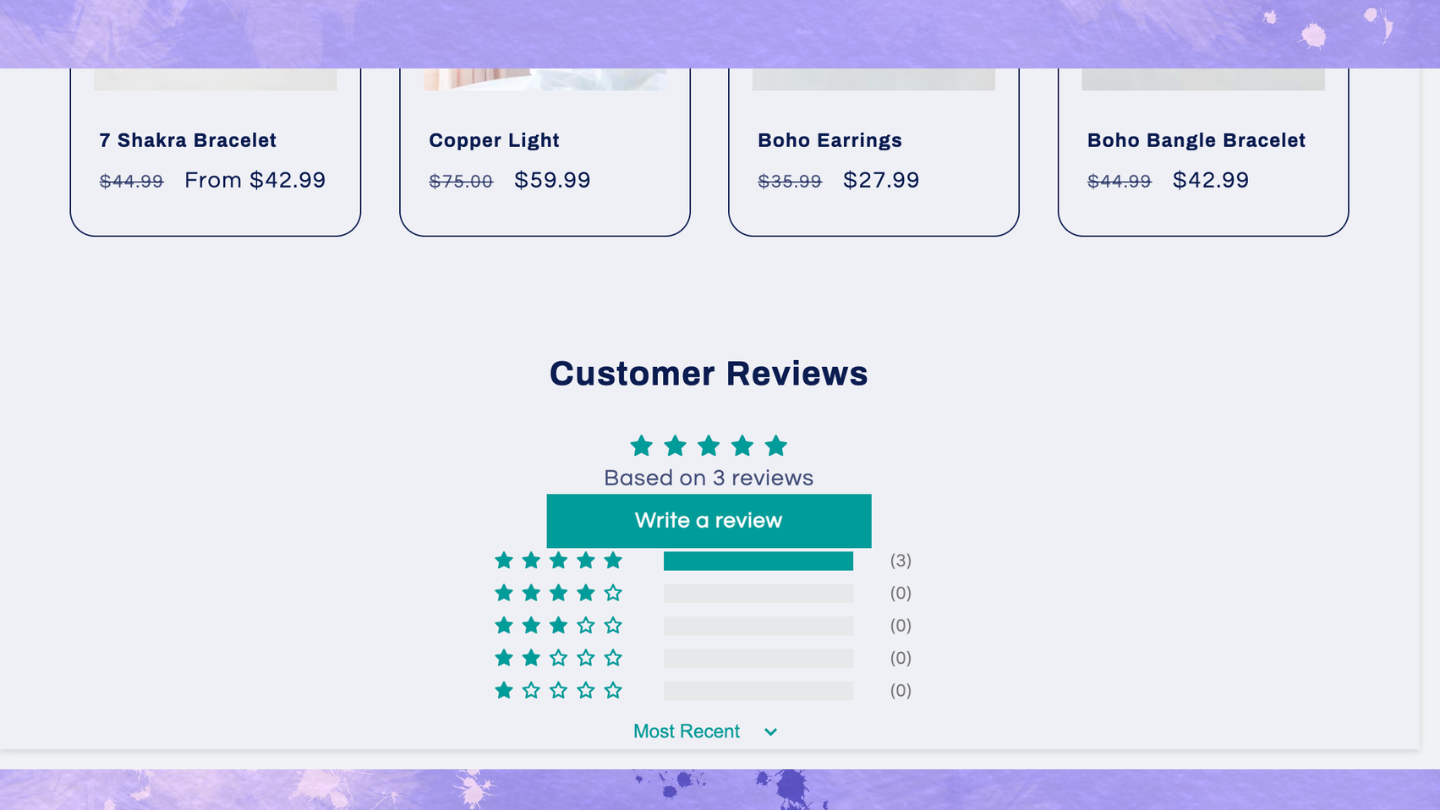
How to add the review/rating section:
To add and customize the reviews section on your product pages follow the steps mentioned in this article.
You can also use an app like Judge. me for creating customized review forms with extra options such as photo uploads, videos, etc.
Read Also: 10 Must Have Shopify Discount Apps For Your Store
4 Best Shopify Form Apps You Should Add To Your Store
There are many apps available on the Shopify App Store that can help you add and customize forms for your Shopify store. Here are our top four picks:
1. Omnisend
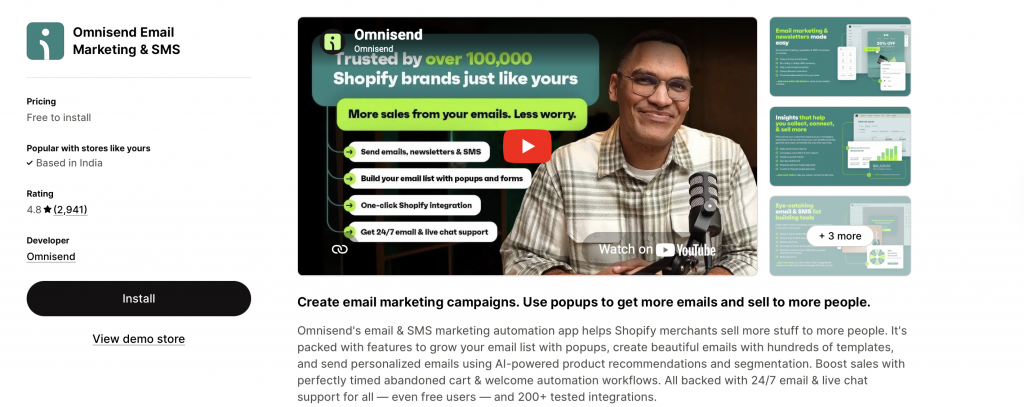
This easy-to-use app helps you configure different forms and popups on your Shopify store in just a few clicks. It also enables you to capture leads by offering email marketing, newsletter & SMS features.
2. Helium
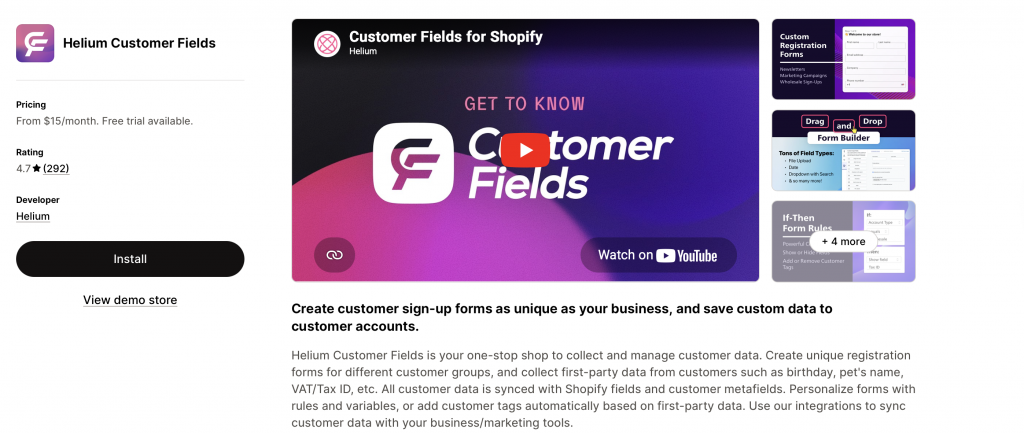
This powerful app allows you to create any kind of forms in Shopify store such as registration, login, product inquiry forms, and more. Its drag-and-drop feature makes it easy to make changes or add elements quickly and it also integrates with popular third-party apps like Zapier, Alloy, Slack, etc.
3. Hulk Form Builder
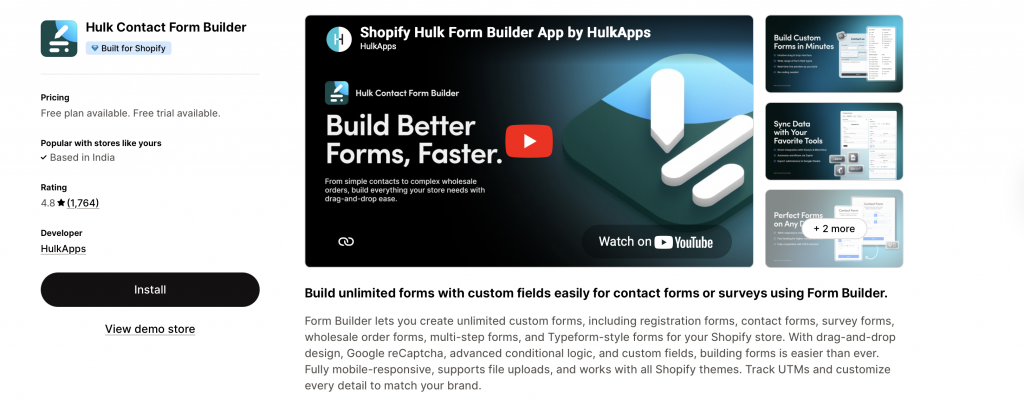
Hulk Form Builder is a versatile app that helps you add custom forms for surveys, registrations, or contact pages on your Shopify store. It also offers an array of features such as auto-responders, and file uploads and includes reCAPTCHA to help protect against spam.
4. WSH Order Form & ReOrder
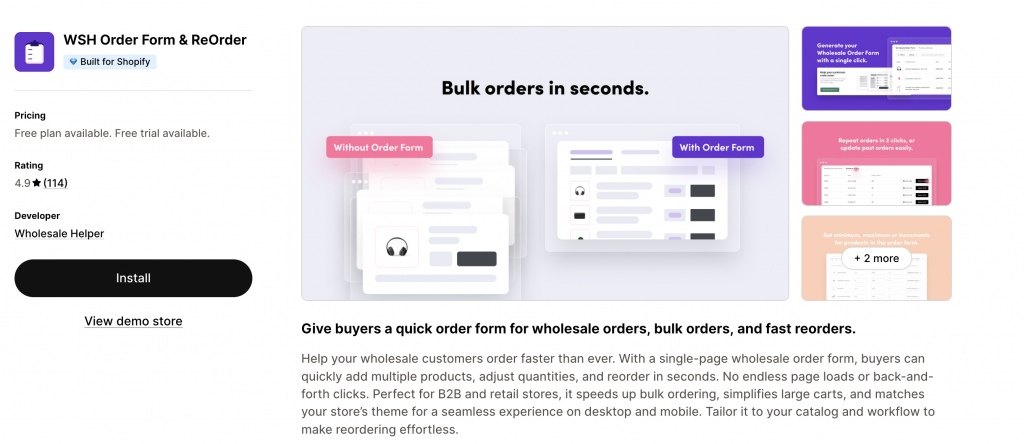
This app is designed specifically for stores selling items in bulk/wholesale orders. It enables customers to place orders multiple and lets them reorder with just a few clicks. Additionally, it also allows administrators to track and manage wholesale orders more efficiently.
We recommend you to try out these apps before purchasing them. If the free plan isn’t available for any specific app, try to look at its demo. We hope that these apps will help you create customized forms according to your business needs easily and quickly.
How to choose the right Shopify form for your store?
The right form depends on what you want the customer to do.
If you want to collect emails, use a newsletter signup form or Shopify Forms popup. If you want to handle support requests, use a contact form. If you want to collect product-specific questions, add a product inquiry form. If you sell wholesale, use a wholesale order form or company account request form.
For simple forms, Shopify Forms may be enough. For advanced customer fields, conditional logic, file uploads, or more complex B2B workflows, a third-party form builder may be a better fit.
Before adding a form, keep these points in mind:
- Ask only for information you really need.
- Keep the form short and easy to understand.
- Use clear field labels.
- Make sure the form works well on mobile.
- Add dropdowns where they make the form easier to complete.
- For B2B forms, collect company details, order volume, and product interest.
- Test the form before publishing it on your live store.
Conclusion
Forms are an important part of any Shopify store. They help you collect customer information, answer questions, build your email list, manage reviews, and make the buying process easier.
For regular ecommerce stores, forms like contact forms, newsletter forms, product forms, and checkout forms can improve the customer experience. For wholesale and B2B stores, forms like wholesale order forms and company account request forms can help you approve buyers, collect business details, and make bulk ordering smoother.
Shopify Forms can be a good starting point for simple forms and lead capture. But if your store needs advanced fields, complex workflows, or a faster wholesale ordering experience, using a dedicated form app can be a better choice.
The best approach is to keep your forms simple, collect only useful information, and make it easy for customers to complete the action they came for.
Frequently Asked Questions
How can custom forms Shopify improve my store’s user experience?
Custom Shopify forms allow you to tailor the information you collect from customers, enabling more personalized interactions. Whether through feedback forms, contact inquiries, or specific product requests, these forms can significantly improve your store’s responsiveness and user experience.
Can I use Shopify forms for collecting customer feedback on specific products?
Yes, you can create custom forms on Shopify to collect feedback on specific products. This can help you understand customer satisfaction levels and identify areas for improvement in your product offerings.
What types of Shopify forms should I consider adding to my store for better customer engagement?
Consider adding registration forms, login forms, product inquiry forms, order forms, contact forms, newsletter signup forms, and review/rating forms to enhance customer engagement and collect valuable data.
Can I create a wholesale form in Shopify?
Yes. You can create a wholesale form in Shopify using Shopify Forms or a third-party form builder. If you need a full bulk ordering experience, you can use a dedicated wholesale order form app like WSH Order Form & ReOrder.
What is a company account request form in Shopify?
A company account request form lets business buyers request access to B2B purchasing. Store owners can use it to review wholesale buyers before giving them access to B2B pricing, catalogs, or payment terms.
Can I add conditional logic to Shopify Forms?
Shopify Forms currently does not support conditional logic or multi-step forms. If you need these features, you may need a third-party form builder app.